

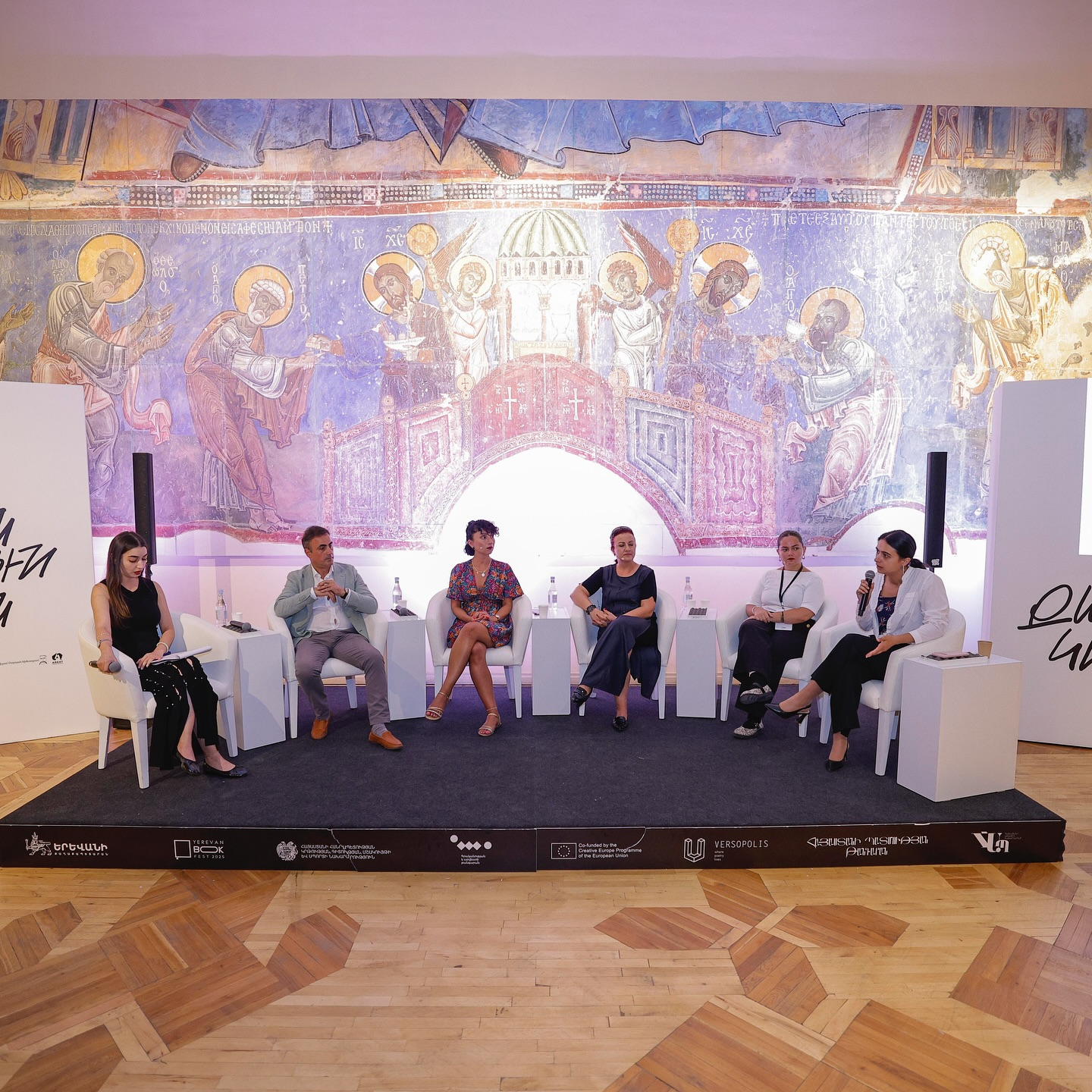
At this year’s EVNBookfest in Yerevan, Armenian and Georgian publishers confronted a familiar paradox: their countries produce rich, deeply human stories that rival any world classic, yet few ever make it beyond their borders. Behind this challenge lies a question of language, access, and how small nations tell big stories.
“In cities across the world, Georgian restaurants serve khachapuri – the country’s signature cheese-filled bread. The dish is always recognizable, but never quite the same as in Tbilisi. Each place adapts it for local tastes, making it familiar enough to be comforting, but still distinct enough to feel new, “ said Nerses Ter-Vardanyan, former deputy minister of culture of Armenia and head of Vernatun Publishing House, at an international literature panel “EVNBookfest”
The comparison applies just as well to literature. During the bookfest Armenian and Georgian publishers confronted a paradox: their countries produce stories of survival, love, and resilience that rival any world classic – yet few of these stories reach readers beyond their borders.
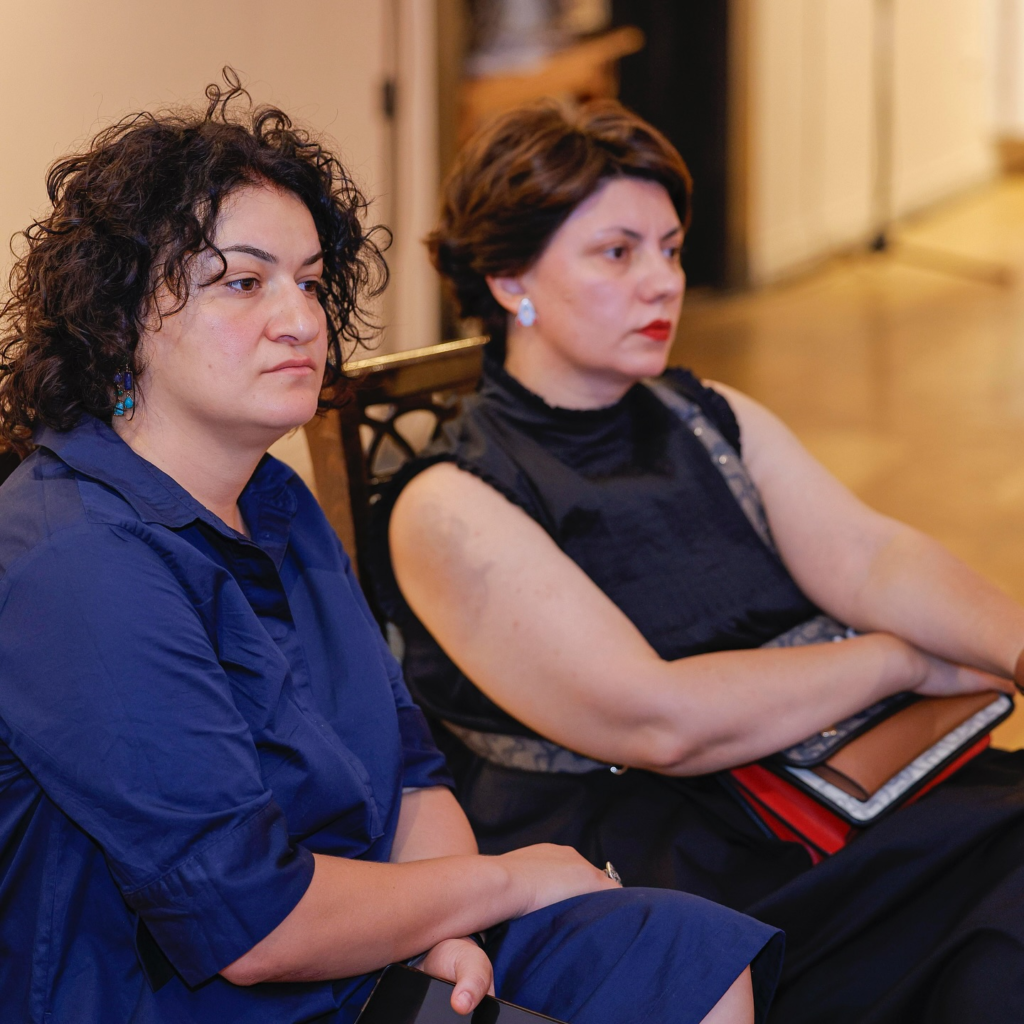
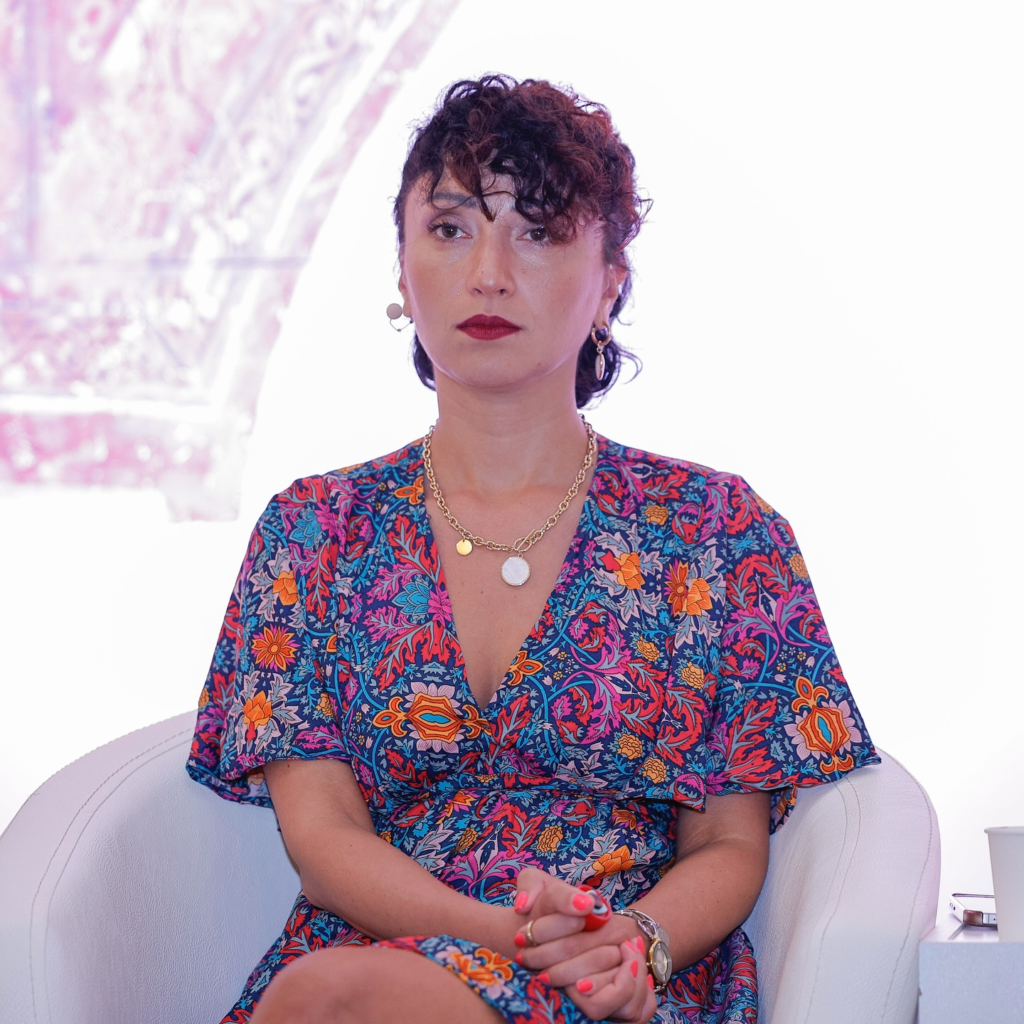
The challenge is not the quality of the material. The question is how to make it accessible and compelling to an international audience, particularly in markets dominated by English.
For Armenia, the challenge often lies in how history is told. Ter-Vardanyan said that much of Armenian Genocide literature has been written for Armenian audiences, blending documentation and collective memory, that approach made internationalization difficult. But international readers, he said, respond more deeply to personal narratives.
“When you read Holocaust literature, it’s not the history in the foreground,” he explained. “It’s the story of Anne Frank’s family, or the friendship of children in ‘The Boy in the Striped Pajamas’. Our works often place the events first, and that makes it harder for outsiders to see themselves in the story.”
In Ter-Vardanyan’s opinion, books like ‘The Book of Whispers’ or ‘The Mother’ have managed to break through precisely because they center on individual and family experiences against the backdrop of history. Ter-Vardanyan pointed to ‘The 24th Day of Autumn’, which traces three generations of women through the history of Artsakh, as the kind of deeply personal storytelling that can resonate far beyond Armenia. “A person loves a story when they can project themselves into it,” he said.
In Georgia, similar questions of storytelling and accessibility arise. “Stories might look alike, but the strength of the author is in the language and how it is told,” said Gvantsa Jobava, president of the International Publishers Association and head of international affairs at Intelekti Publishing. “A translator can make or break that connection. If the nuance is lost, the work disappears in another language.”
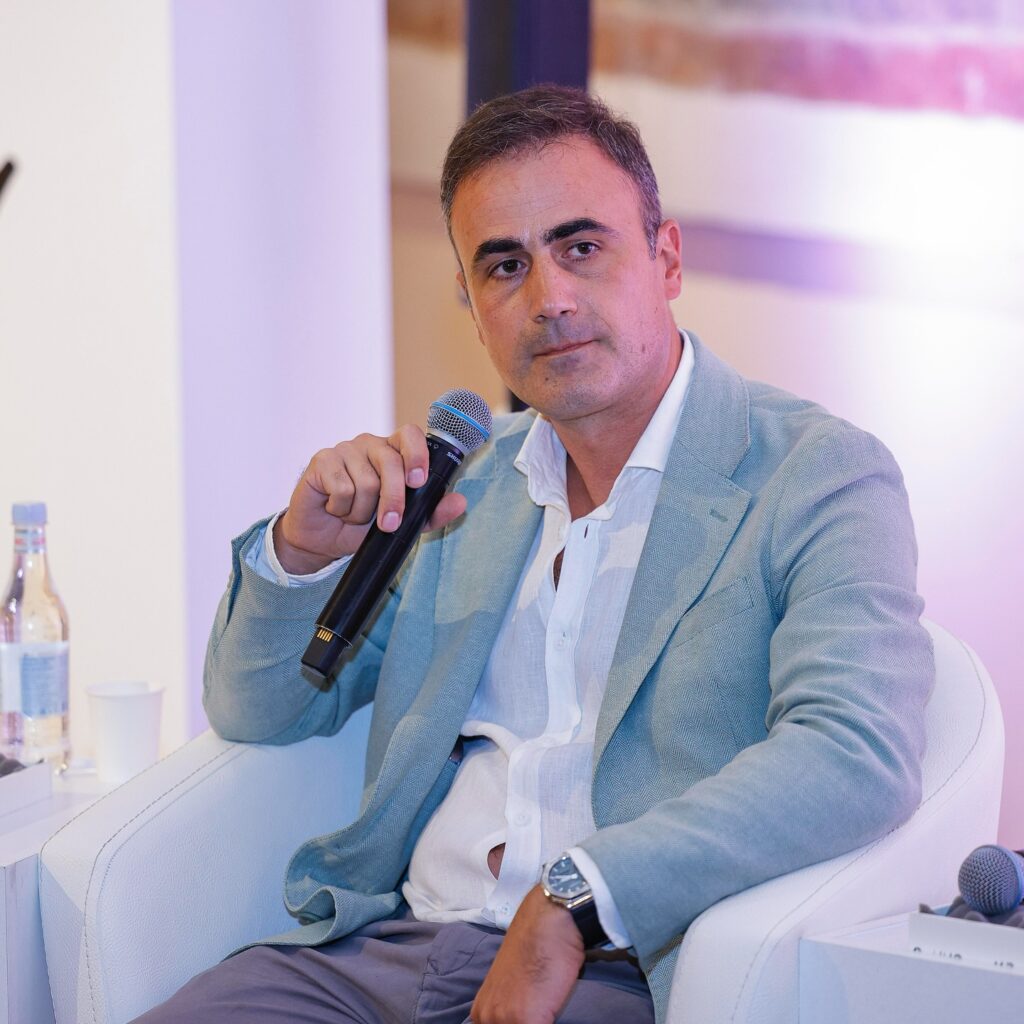
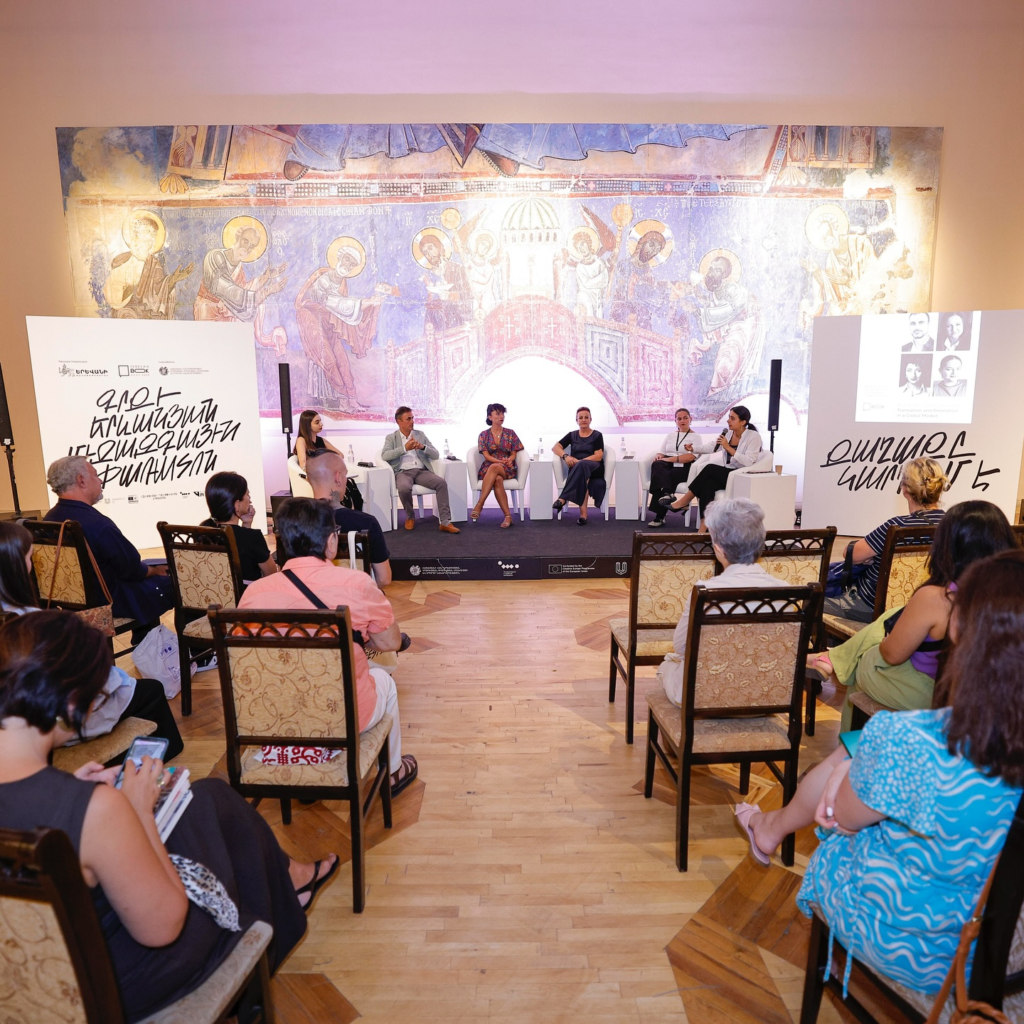
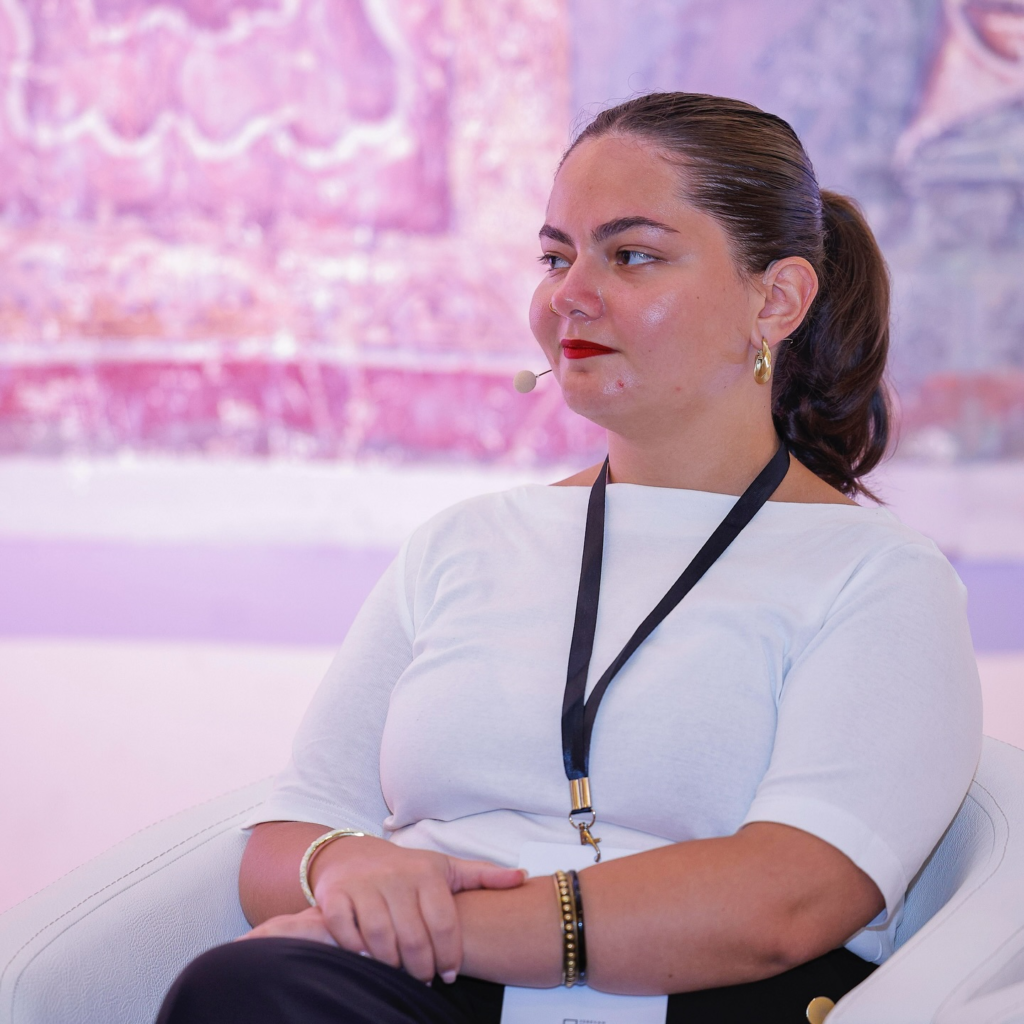
Governments, too, play a role in whether small-market literatures crosses borders. Zara Hakobyan, coordinator from the Armenian National Library of the Ministry of Education, Science, and Culture’s Armenian Literature in Translations initiative, explained that the program covers translation costs for foreign publishers while requiring them to handle other expenses.
Recognizing literature as both a cultural and political tool, Armenia has established programs to support translations. “Every year, Armenia is represented at the Frankfurt Book Fair. Initially publishers participated individually, but for the last seven years, we have had a collective pavilion funded by the state,” Hakobyan said. “It allows publishers and agents to showcase Armenian literature and host events for international audiences.”
For Ter-Vardanyan, exporting literature is a form of cultural diplomacy. “Books are like souvenirs,” he said. “They make a part of your culture accessible. Once someone has read even a little about Armenia, the emotional and intellectual dialogue becomes easier.”
Georgia offers a striking example of what sustained investment can do. Ahead of becoming Guest of Honor at the 2018 Frankfurt Book Fair, Georgia translated 250 books into German within five years. Before that, only five Georgian titles had ever appeared in German. The result was a cultural breakthrough.
Perhaps no story illustrates the stakes better than that of Georgian novelist Nino Haratischwili. She emigrated to Germany as a student, began writing in German, and eventually produced “The Eighth Life” – a sweeping 1,200-page saga of Georgian women across generations, suffering from the Soviet regime. German publishers initially hesitated. After all, who in Germany reads novels that long? But the book became one of the country’s biggest bestsellers, translated into more than 30 languages, and transformed Haratischwili into a literary ambassador.
“Suddenly German tourists were coming to Georgia asking where Nino had lived,” Jobava said. “Even Georgians themselves hadn’t realized what her work had achieved. That’s the power of one writer, one book – it can put an entire country on the world literary map.”
Jobava stressed that Georgia’s achievement didn’t happen overnight. It required years of careful networking, state backing, and a willingness to expand beyond narratives of war and trauma while still preserving authenticity. Yet global events can also change what publishers look for. After Russia’s invasion of Ukraine, international interest in war literature surged once again.
Arevik Ashkharoyan, an Armenian literary agent, argued that visibility remains the biggest challenge. “For much of the world, Armenia and Georgia are just seen as former Soviet republics,” she said. “We need to tell stories that show who we really are – that we are not just post-Soviet, but nations with unique cultures and voices.”