

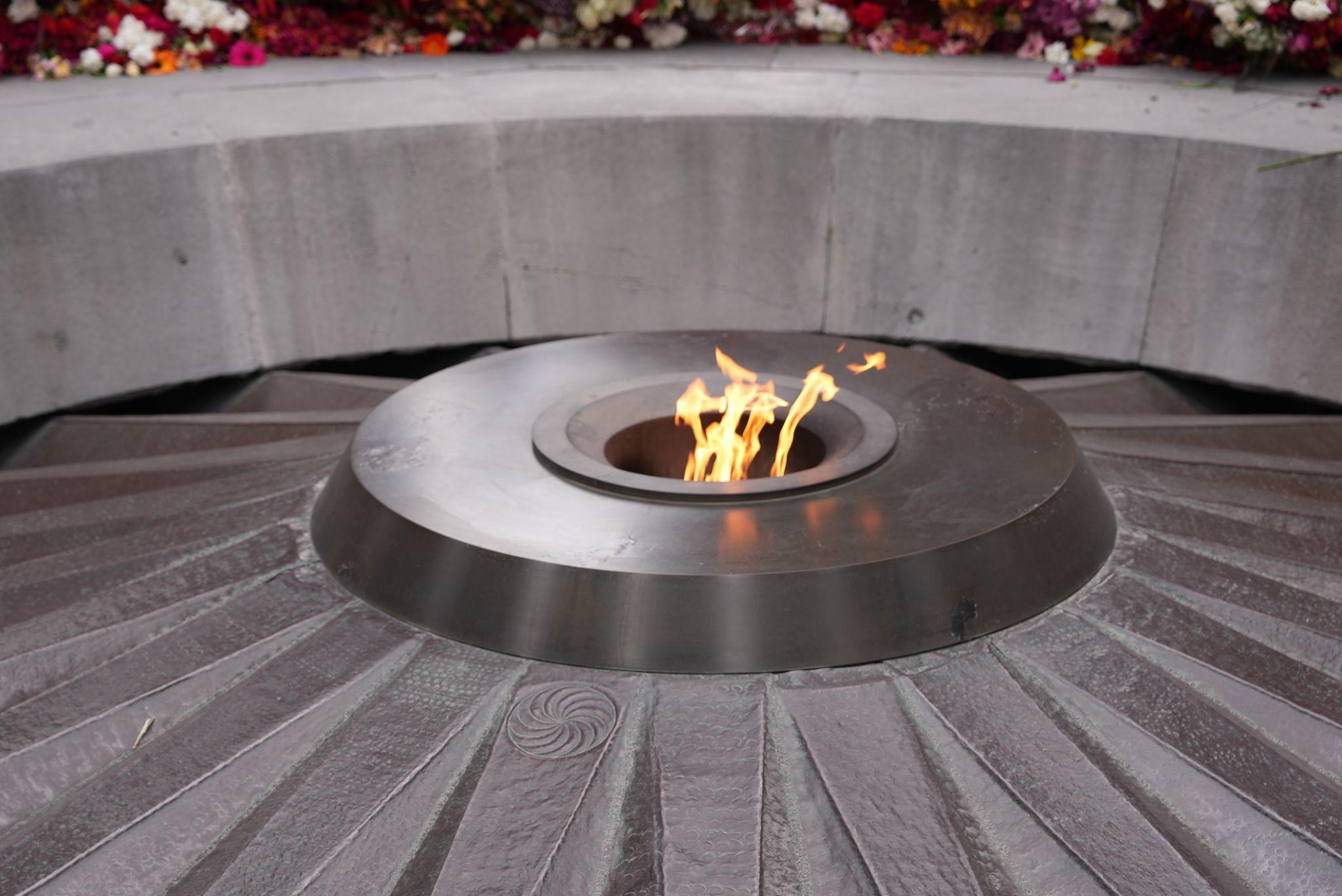
Each year, on April 24, Armenians around the world commemorate victims of the Armenian Genocide. In Armenia, the day is marked by nationwide remembrance events, including official ceremonies, cultural programs and public discussions. This year, on the 111th anniversary, tens of thousands of people walked to the Tsitsernakaberd Armenian Genocide Memorial complex to lay flowers and pay tribute to the 1.5 million victims of the Genocide.
State officials, including Armenia’s Prime Minister Nikol Pashinyan, President Vahagn Khachaturyan and President of the National Assembly Alen Simonyan, visited the memorial in the early morning, laying flowers at the eternal flame. They were joined by government representatives, military officials, and foreign diplomats who paid tribute with wreaths and flowers. Access to the memorial was temporarily restricted during the official visits.
Amid the ongoing tensions between state authorities and the Armenian Apostolic Church, Catholicos of All Armenians, His Holiness Karekin II, accompanied by the clergy of the Mother See of Holy Etchmiadzin, visited Tsitsernakaberd later during the day, after the visit of state officials. On this occasion, the reliquary containing the relics of the Holy Martyrs of the Armenian Genocide was also brought to the Tsitsernakaberd Memorial complex. Notably, Armenia’s Public Broadcaster, Public Television of Armenia, did not air the Catholicos’ prayer and visit at the eternal flame. Meanwhile, the Armenian Genocide Research Institute published a post about the visit, which was later removed.
However, the march in commemoration of the victims started the previous day, with thousands of Armenians joining the annual torchlight processions from Republic Square to Tsitsernakaberd. The torchlight procession, organized by the Armenian Revolutionary Foundation’s youth wing, takes place annually on the eve of April 24. Prior to the procession, organizers burn the Turkish flag, which is still a controversial topic for the public. While some support the act as a sign of protest, others criticize it as a gesture that fuels anger and hatred. Notably, the Ministry of Foreign Affairs of Azerbaijan condemned the act of burning the Turkish flag, calling on the Armenian authorities to hold those responsible accountable. Since 2016, the Azerbaijani flag has also been burned as part of the procession; however, no such incidents were reported this year.
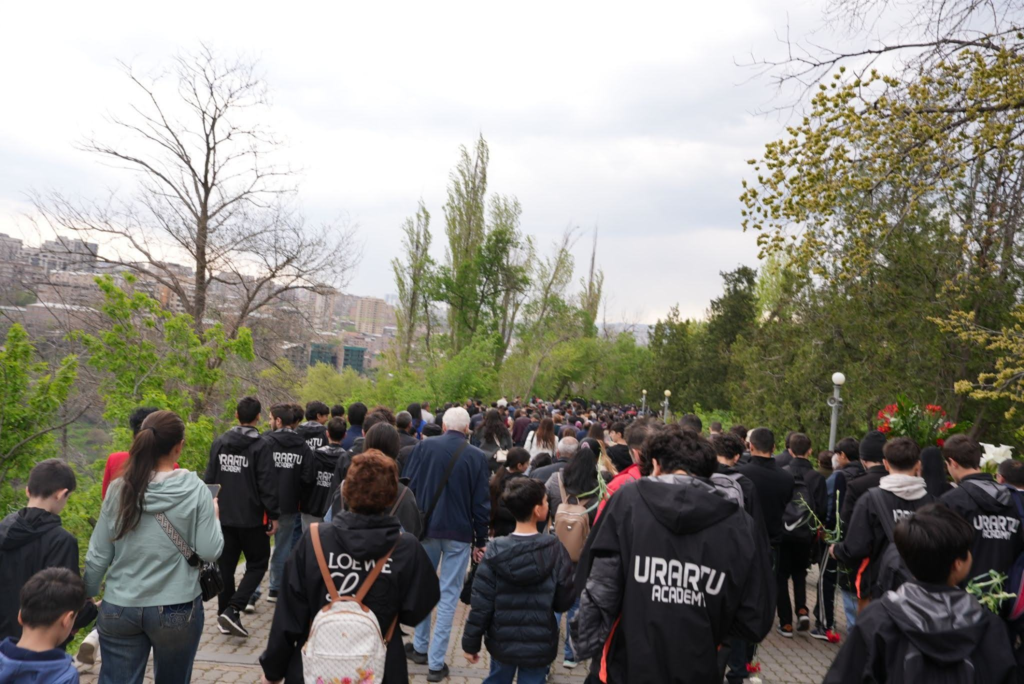
Thousands of people, including Armenians and foreigners, walk in a quiet procession to pay tribute to the innocent victims of the Armenian Genocide. at Tsitsernakaberd Armenian Genocide Memorial complex, April 24, 2026, Yerevan, Armenia. Photo by Elen Pahlevanyan
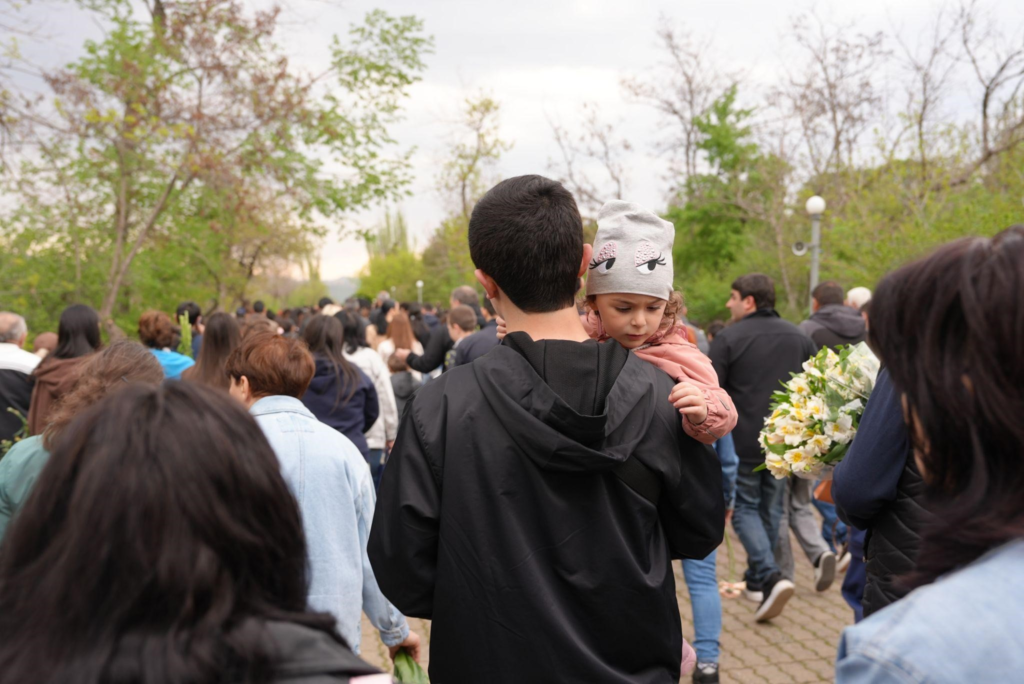
Memory carried from one generation to the next: a baby girl in the man’s arms as they make their walk to the Memorial, April 24, 2026, Yerevan, Armenia. Photo by Elen Pahlevanyan
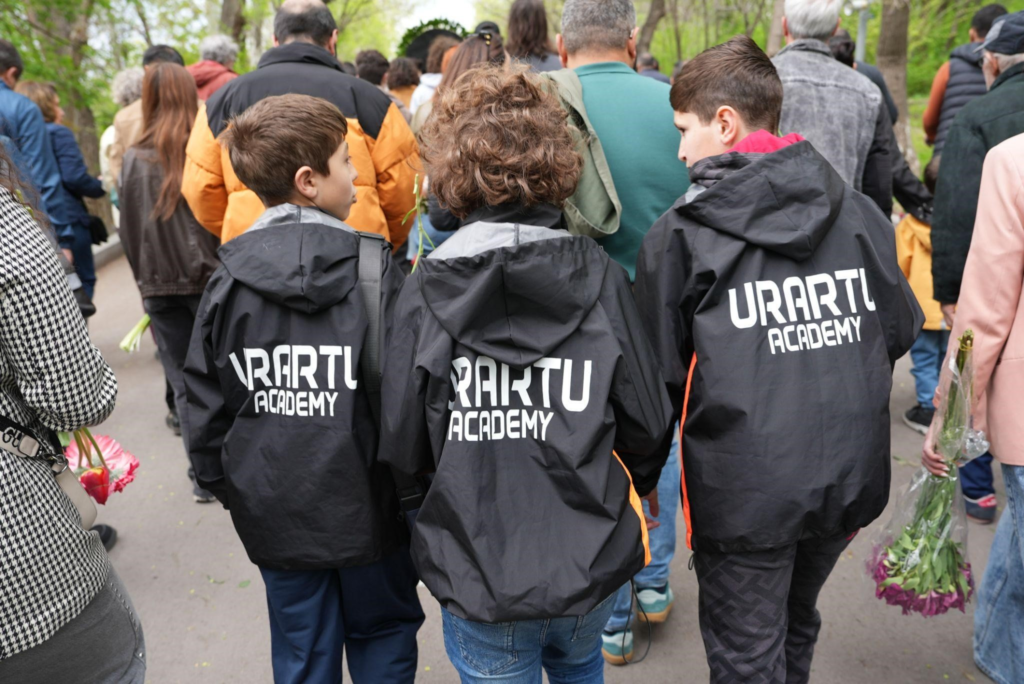
Three players from Urartu Academy walk toward the Memorial, joining thousands in honoring the victims of the Armenian Genocide, April 24, 2026, Yerevan, Armenia. Photo by Elen Pahlevanyan
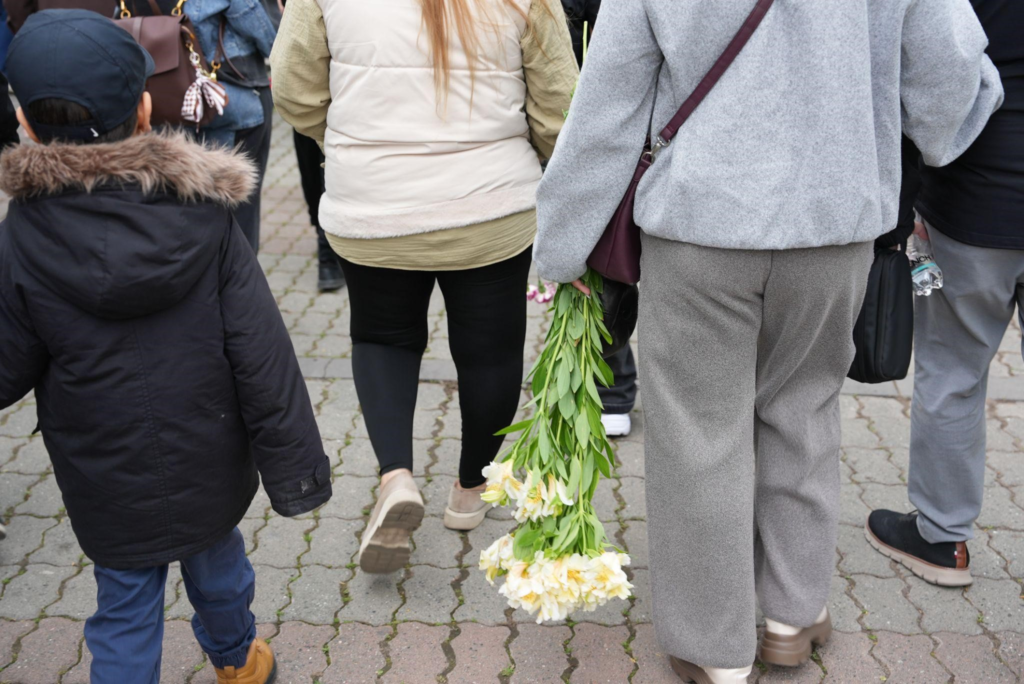
People carry flowers to lay at the eternal flame in the center of the Memorial complex, April 24, 2026, Yerevan, Armenia. Photo by Elen Pahlevanyan
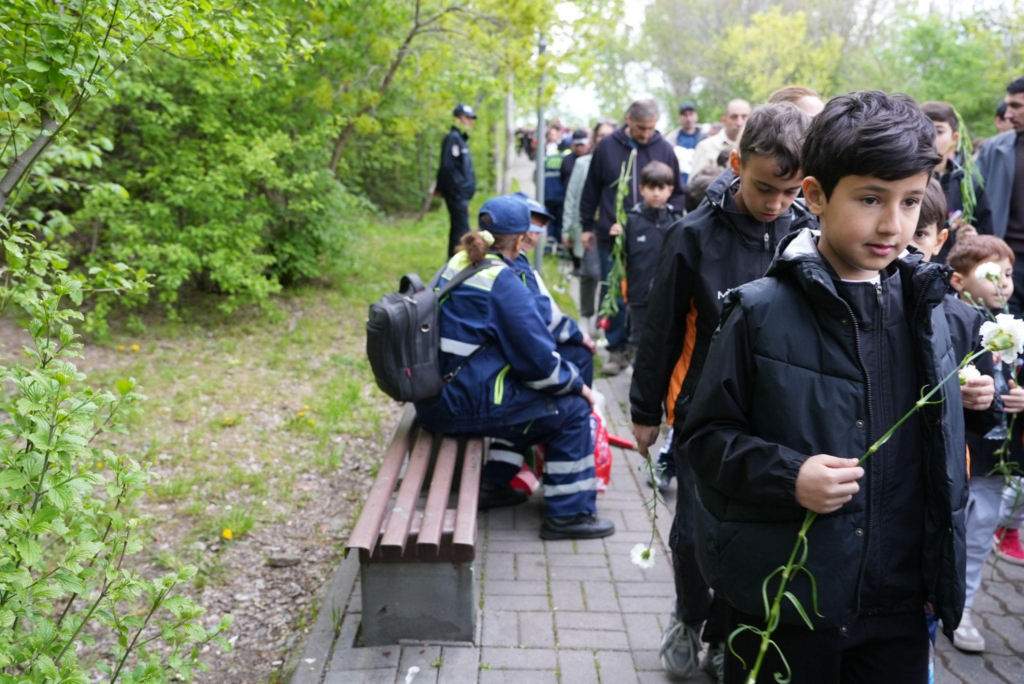
Two different realities unfold side by side: crowds moving toward the complex, and the cleaners of Yerevan Waste Removal and Sanitary Cleaning sitting on a bench, April 24, 2026, Yerevan, Armenia. Photo by Elen Pahlevanyan
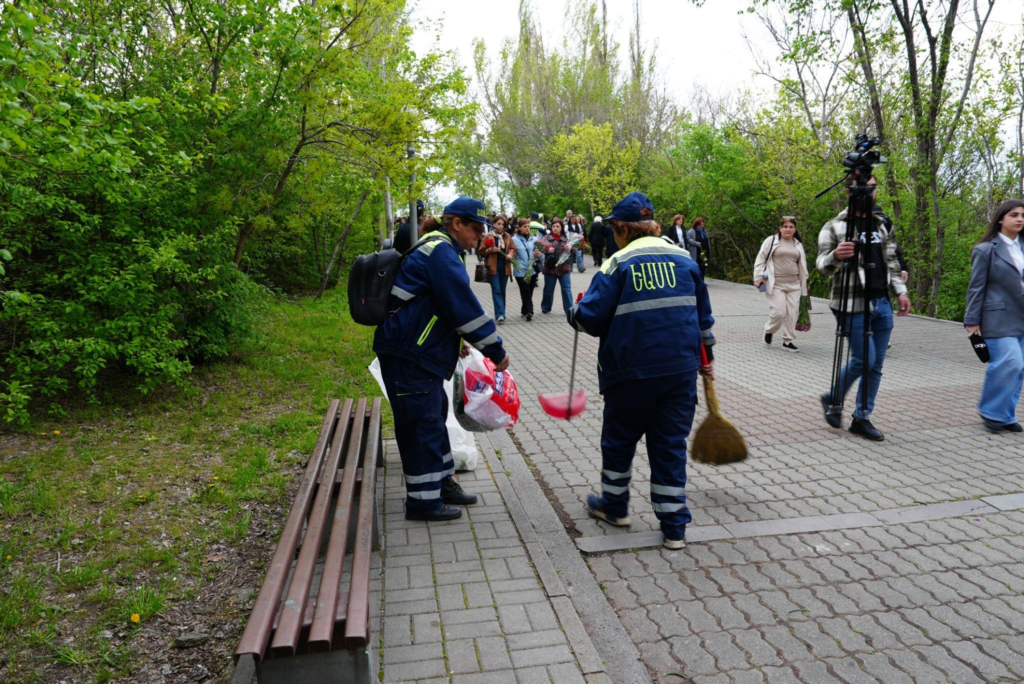
Amid the steady flow of the nation, municipal workers from Yerevan Waste Removal and Sanitary Cleaning continue their quiet work, keeping the path to Tsitsernakaberd clean, April 24, 2026, Yerevan, Armenia. Photo by Elen Pahlevanyan
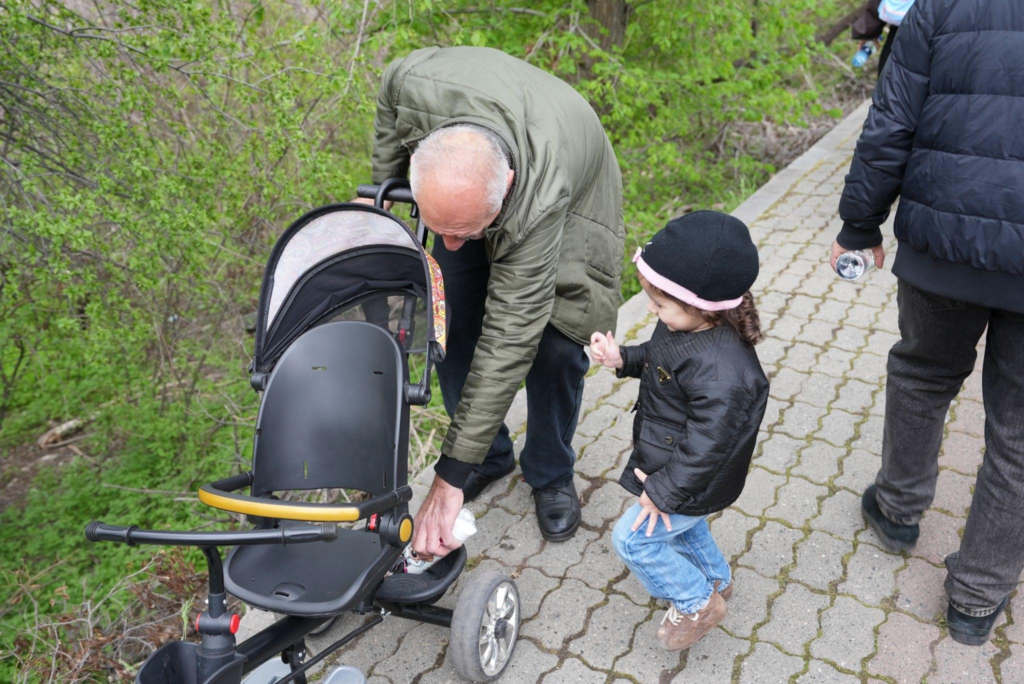
Memory across generations — a grandfather with his grandchild, April 24, 2026, Yerevan, Armenia. Photo by Elen Pahlevanyan
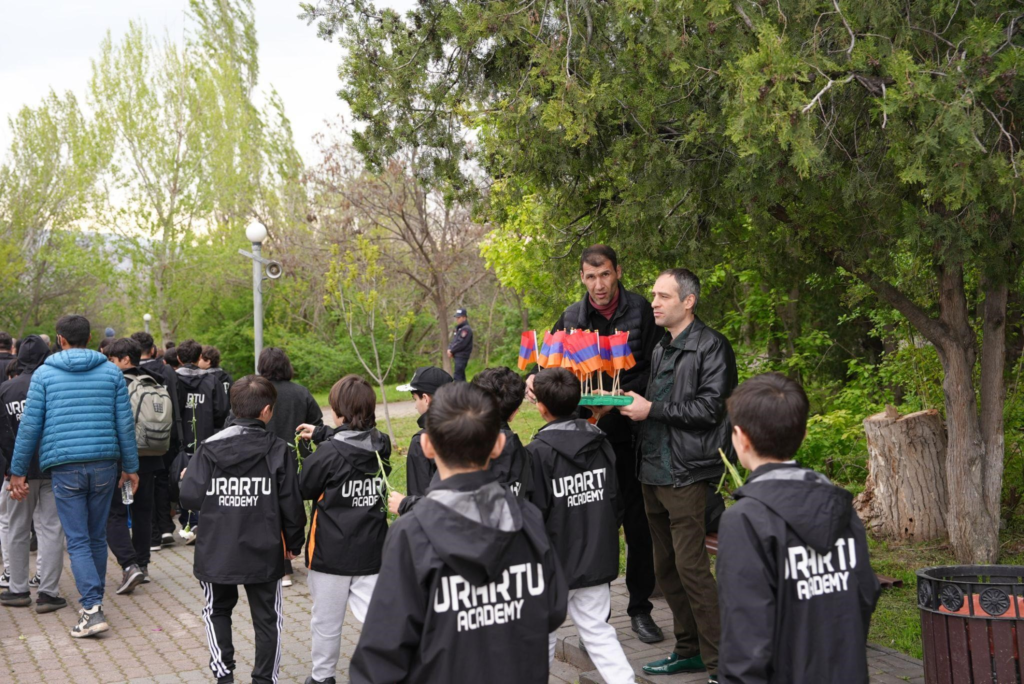
Vendors sell Armenian flags on the path to Tsitsernakaberd — a symbol of ongoing life, April 24, 2026, Yerevan, Armenia. Photo by Elen Pahlevanyan
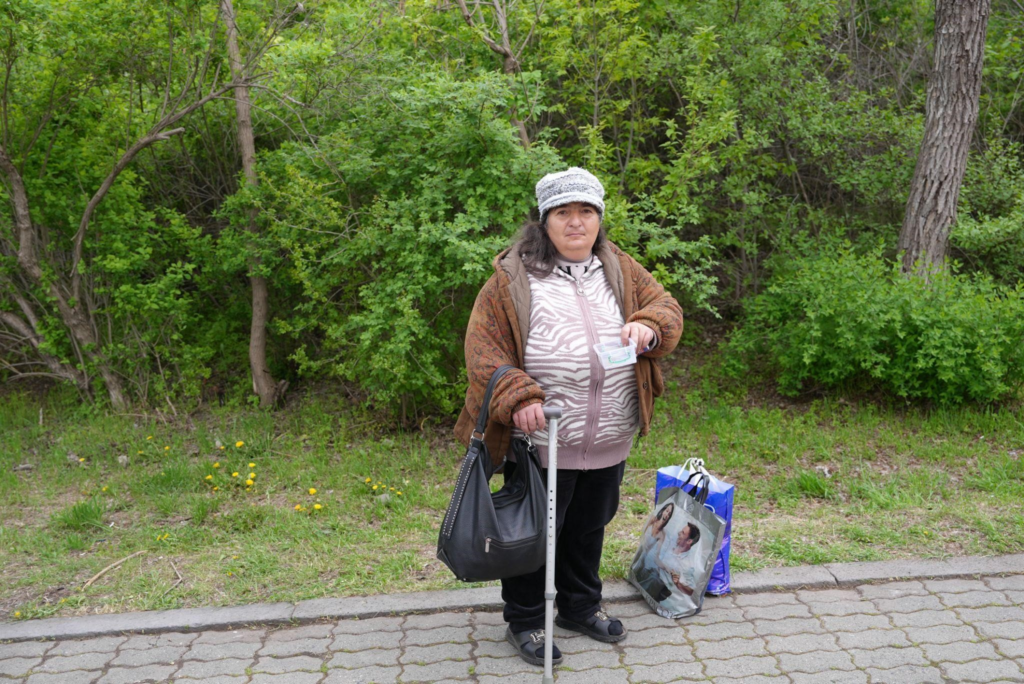
A woman begging for money from passersby on the way to Tsitsernakaberd — a reality check, April 24, 2026, Yerevan, Armenia. Photo by Elen Pahlevanyan
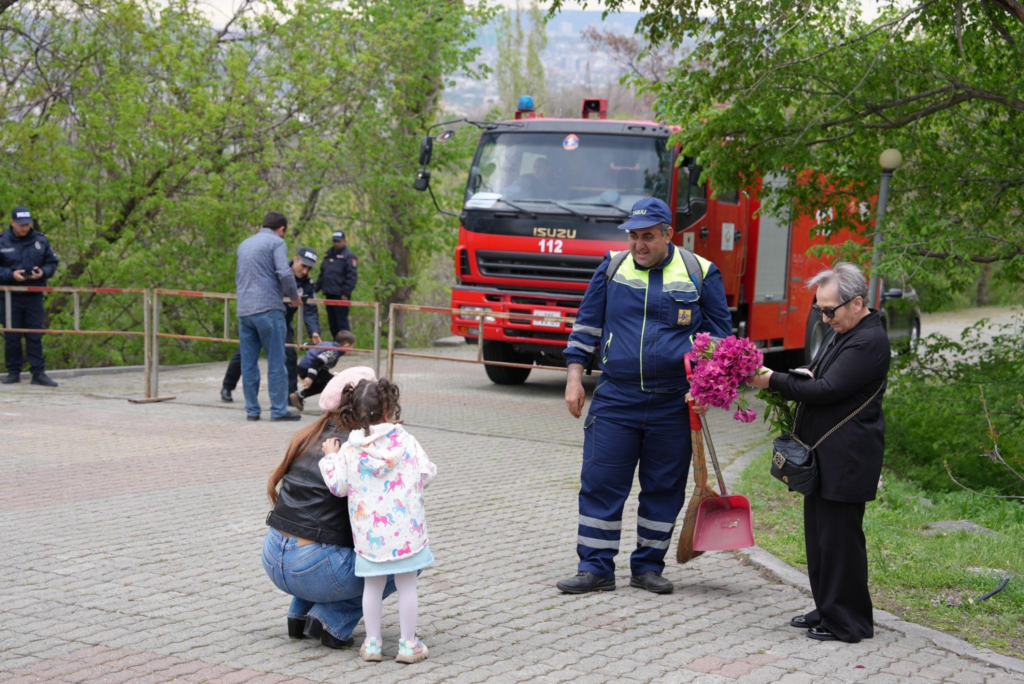
A child, her mother and the grandmother pause with flowers as emergency workers stand nearby, April 24, 2026, Yerevan, Armenia. Photo by Elen Pahlevanyan
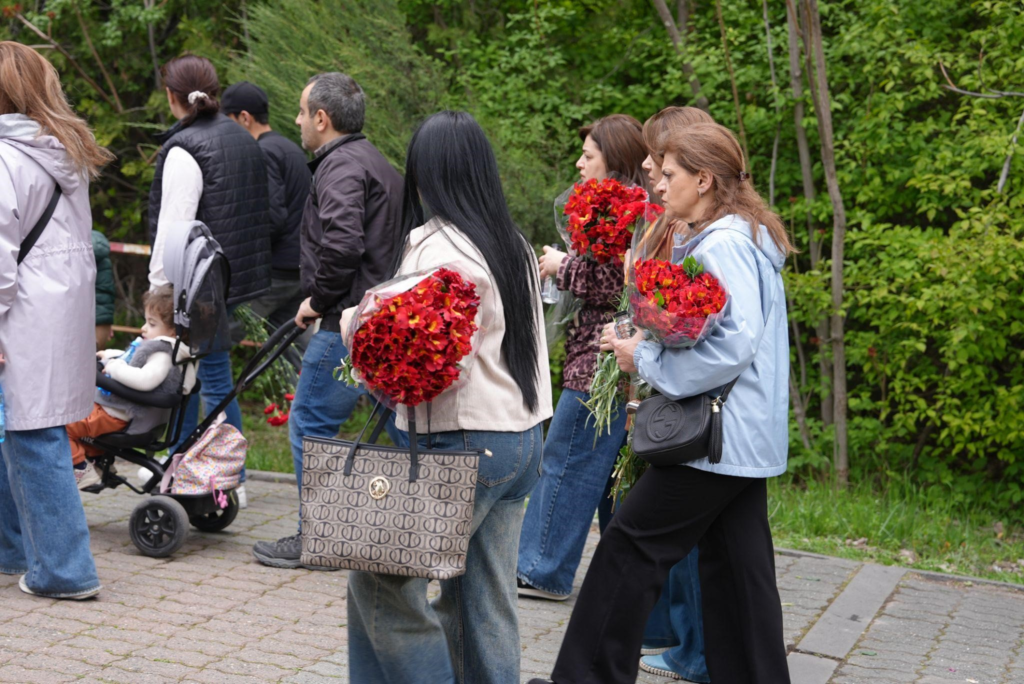
Women with red flowers on their way to the Memorial, April 24, 2026, Yerevan, Armenia. Photo by Elen Pahlevanyan
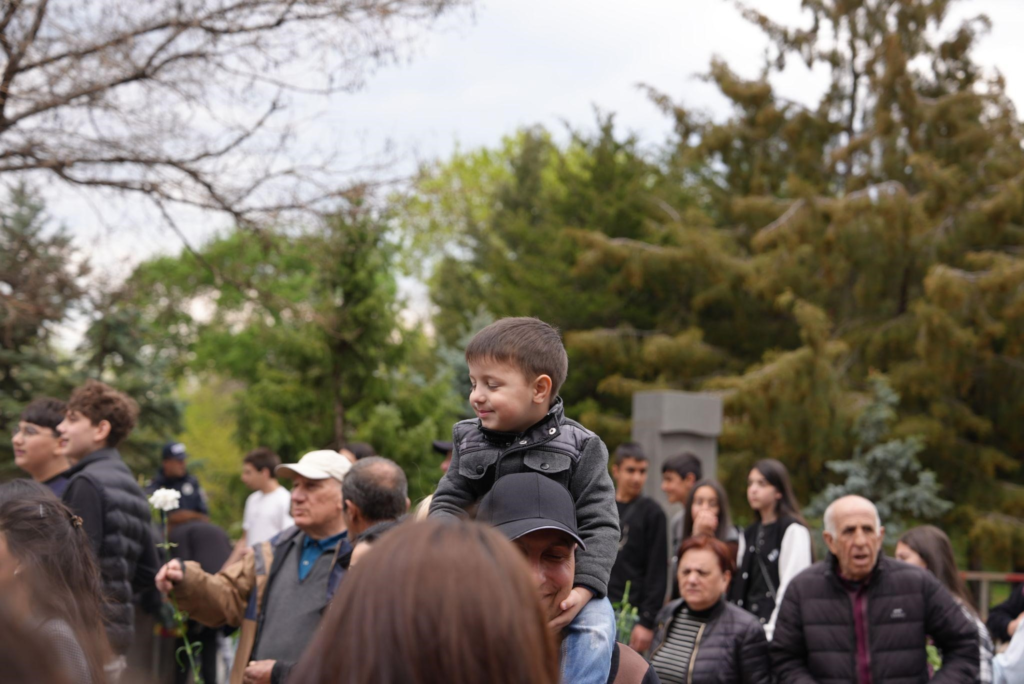
A baby boy sitting on his father’s shoulders watches happily as crowds pass by, April 24, 2026, Yerevan, Armenia. Photo by Elen Pahlevanyan
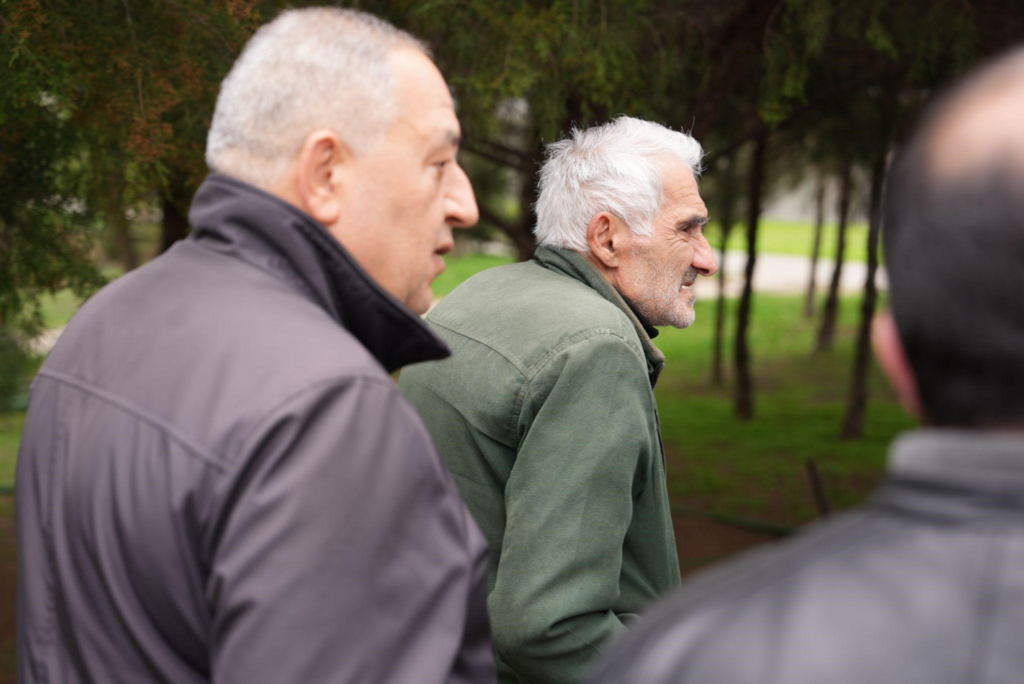
Generations of memory, suffering and reflection — elderly men on their way to pay their tribute to the victims of Genocide, April 24, 2026, Yerevan, Armenia. Photo by Elen Pahlevanyan
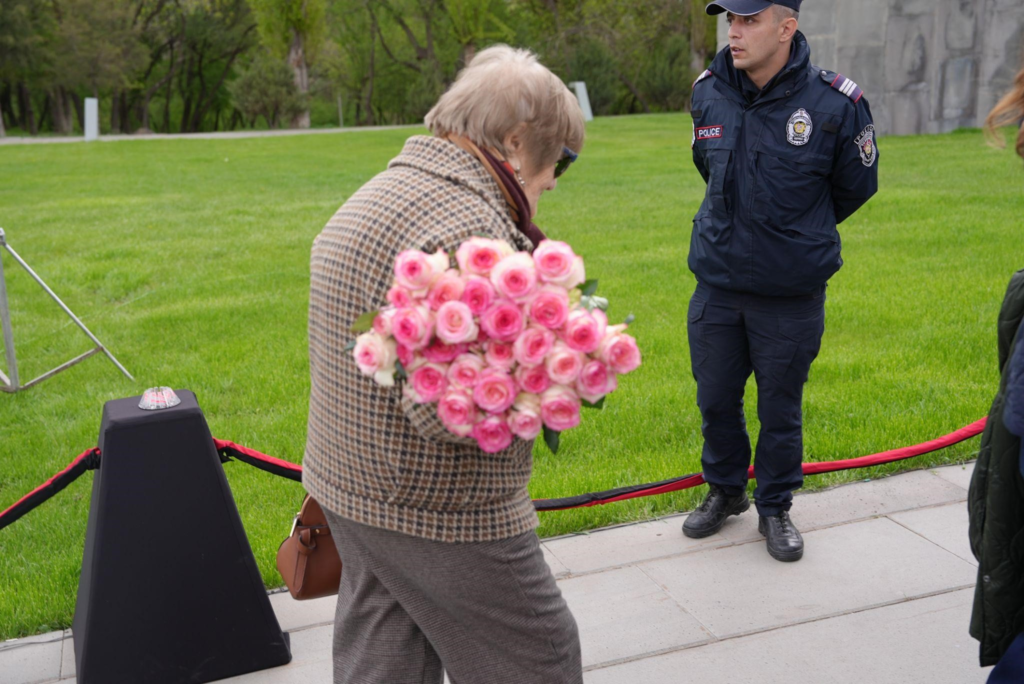
An elderly woman with white and pink roses at the Armenian Genocide Memorial complex, April 24, 2026, Yerevan, Armenia. Photo by Elen Pahlevanyan
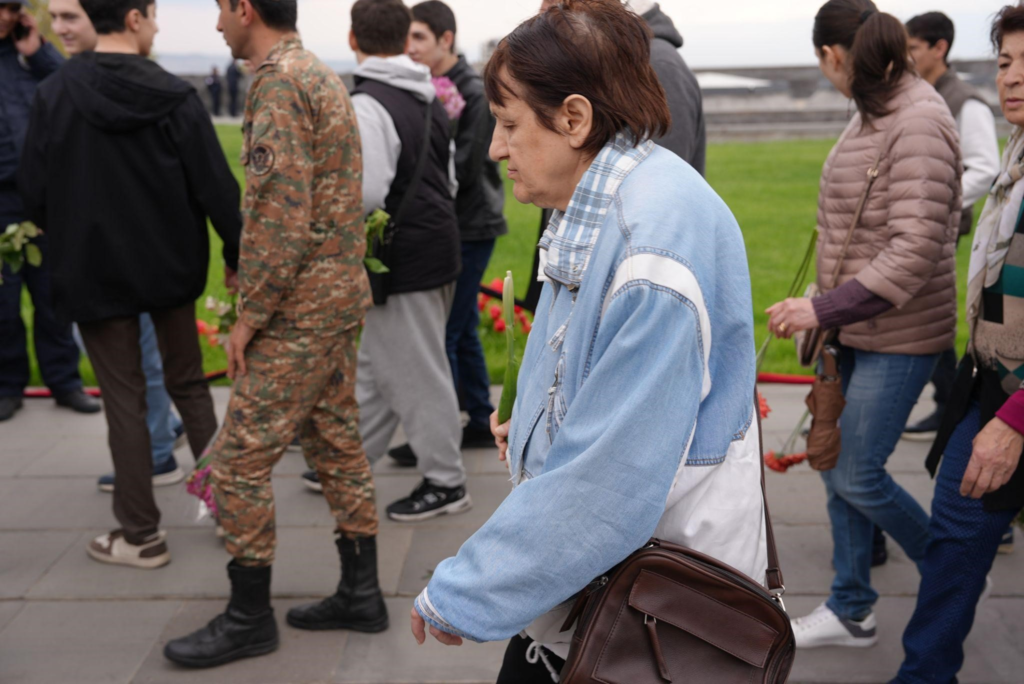
Lost in thoughts — another woman approaching the Memorial complex, April 24, 2026, Yerevan, Armenia. Photo by Elen Pahlevanyan
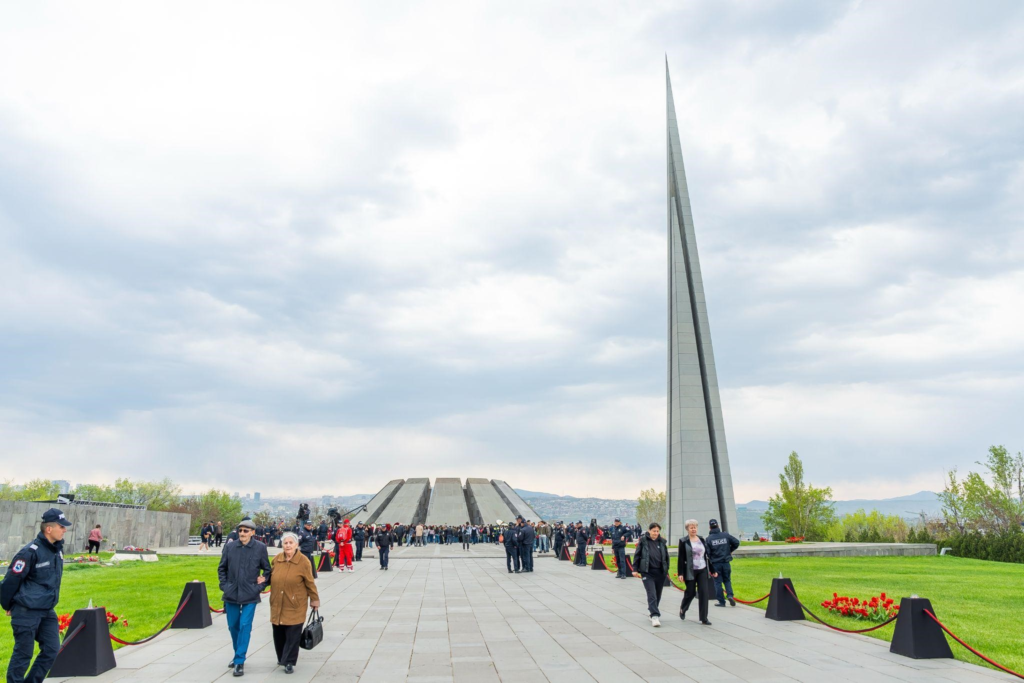
Completed in 1967, the Tsitsernakaberd Armenian Genocide Memorial complex consists of three main structures: the memorial wall (to the left), the Temple of Eternity (in the center) and the memorial column (to the right), April 24, 2026, Yerevan, Armenia. Photo by Elen Pahlevanyan
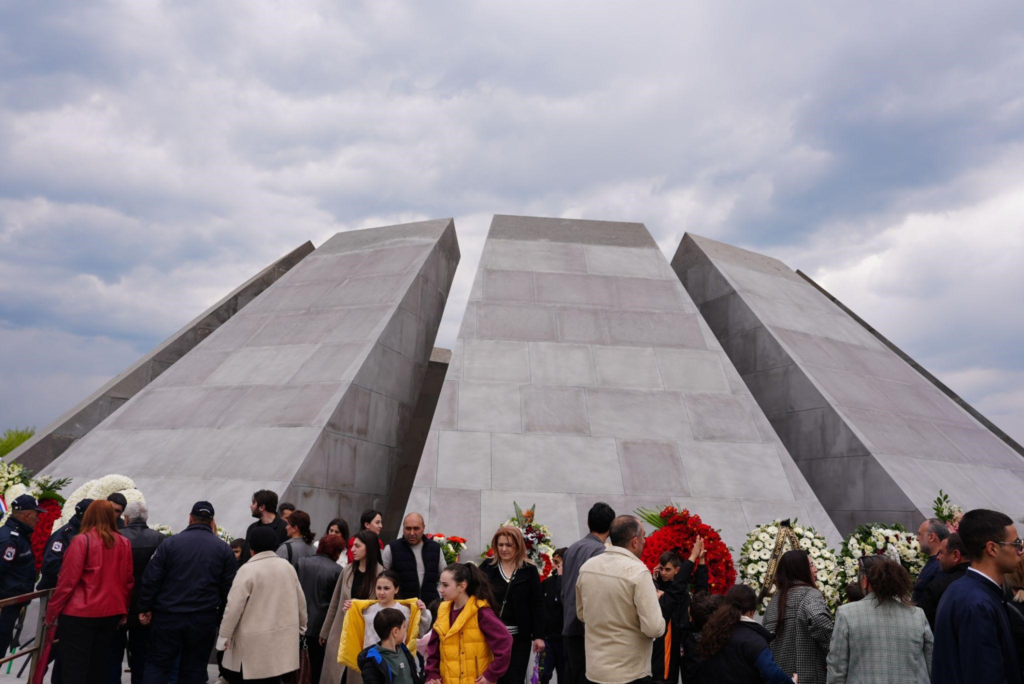
One of the three main structures of the Memorial Complex — the Temple of Eternity — consists of 12 stone slabs. Though the number of slabs was chosen based on geometric laws, Armenians believe them to symbolize either the 12 provinces of Mets Hayq (Great Armenia) or the 12 continents where Armenians were spread out, April 24, 2026, Yerevan, Armenia. Photo by Elen Pahlevanyan
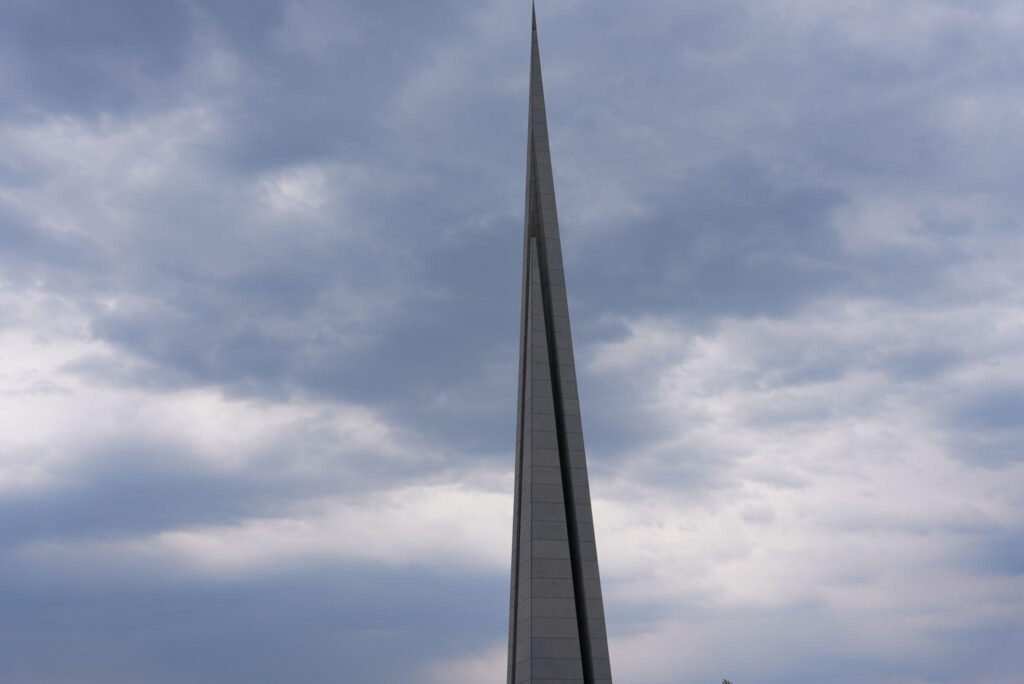
The 44-meter-long needle-shaped column resembles the two Armenias and the rebirth after the Genocide. The short part resembles the terminated life of Western Armenia, while the longer part is the current Armenia, which still lives on, April 24, 2026, Yerevan, Armenia. Photo by Elen Pahlevanyan
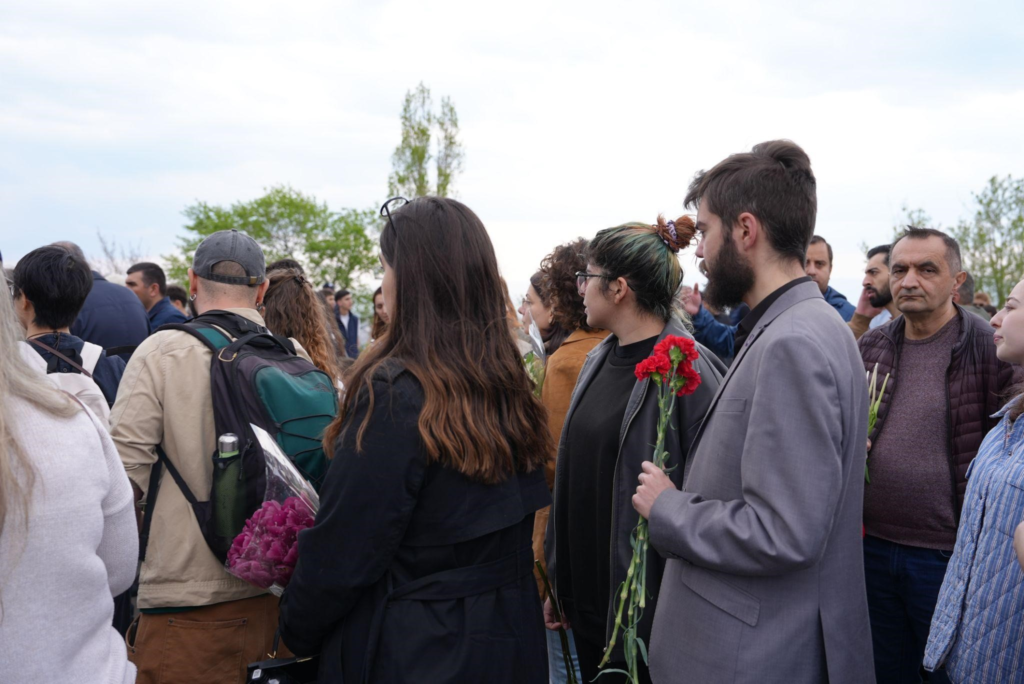
Waiting in the queue to enter the Memorial complex, April 24, 2026, Yerevan, Armenia. Photo by Elen Pahlevanyan
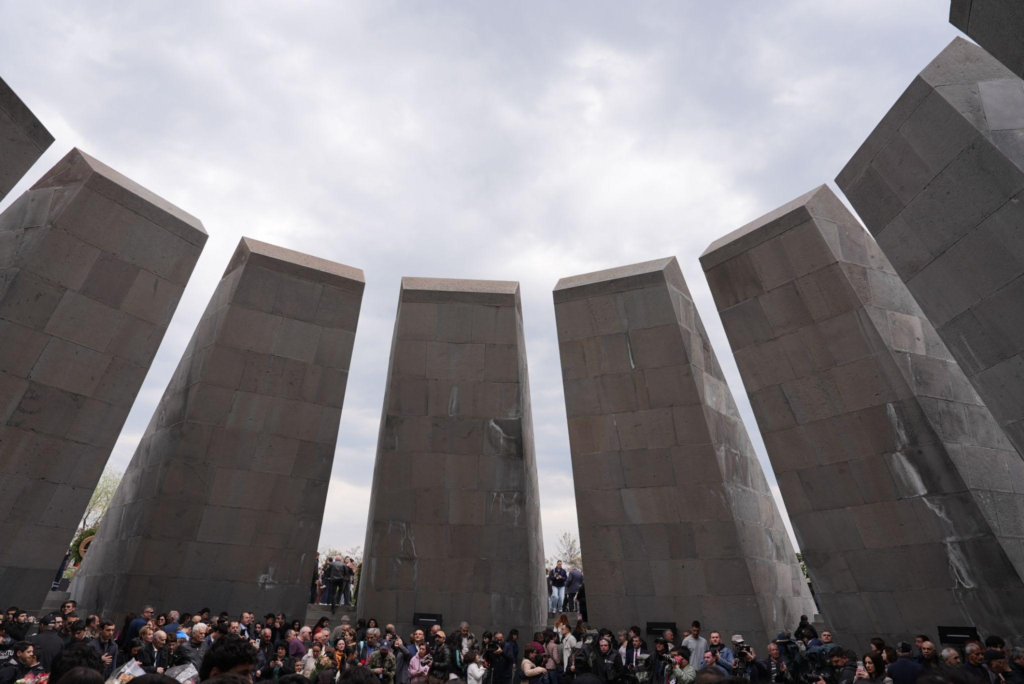
The twelve columns under a gloomy sky protect the eternal flame, April 24, 2026, Yerevan, Armenia. Photo by Elen Pahlevanyan
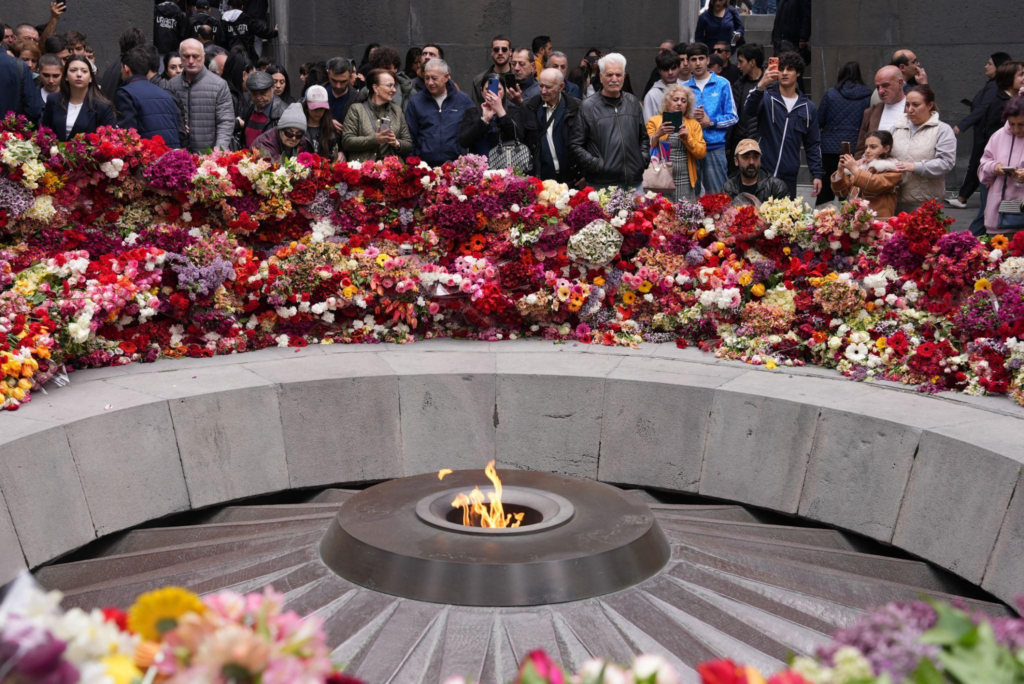
Surrounded by flowers, the eternal flame symbolizes the everlasting memory of the innocent victims, April 24, 2026, Yerevan, Armenia. Photo by Elen Pahlevanyan
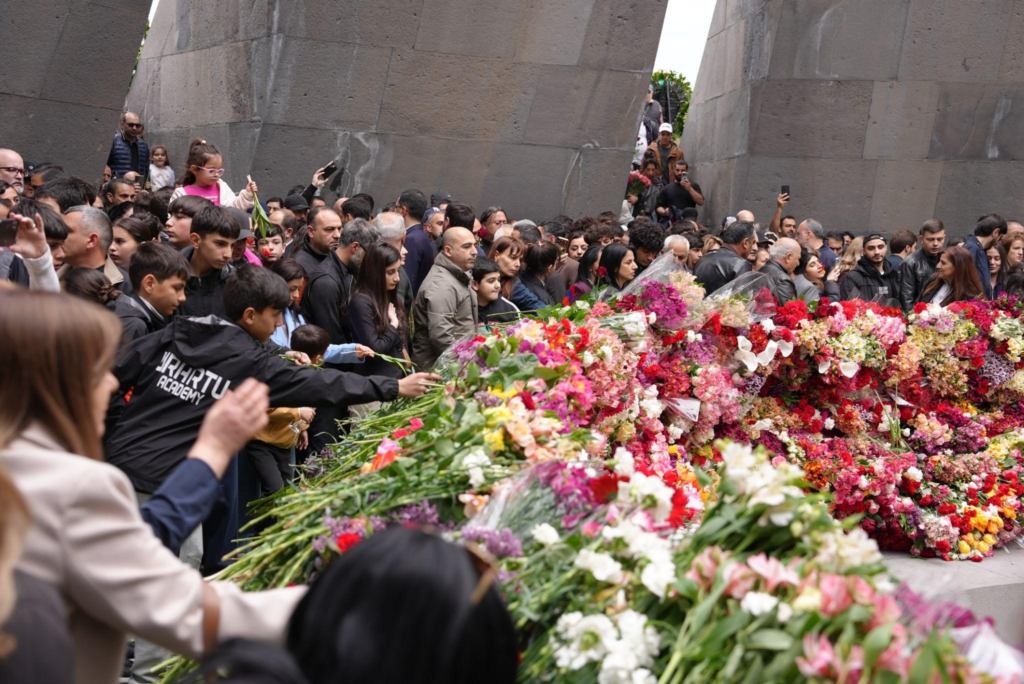
People of different ages, genders and nationalities lay fresh flowers by the flame as a sign of remembrance, April 24, 2026, Yerevan, Armenia. Photo by Elen Pahlevanyan
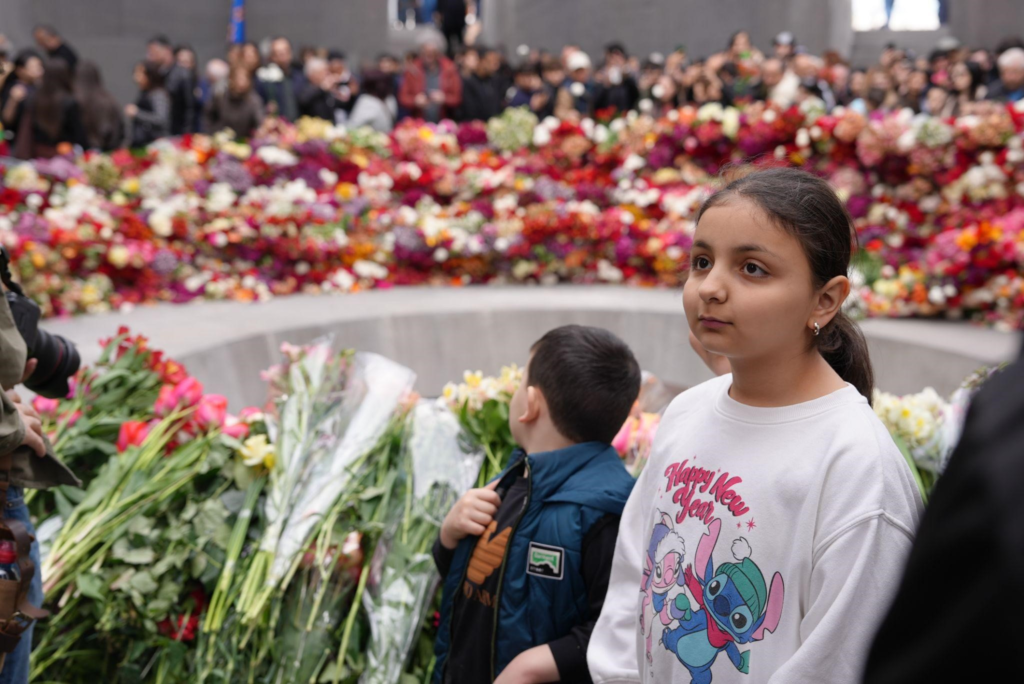
The young generations standing by the flame, April 24, 2026, Yerevan, Armenia. Photo by Elen Pahlevanyan
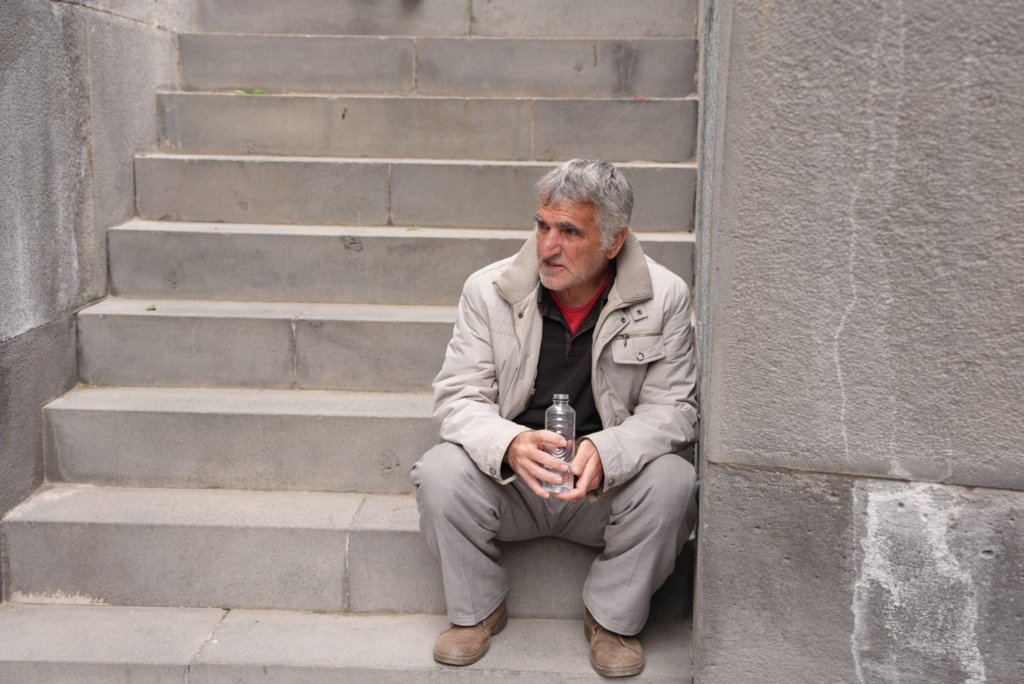
An elderly man sits on the steps that lead to the eternal flame: a moment of reflection, memory and generational responsibility, April 24, 2026, Yerevan, Armenia. Photo by Elen Pahlevanyan
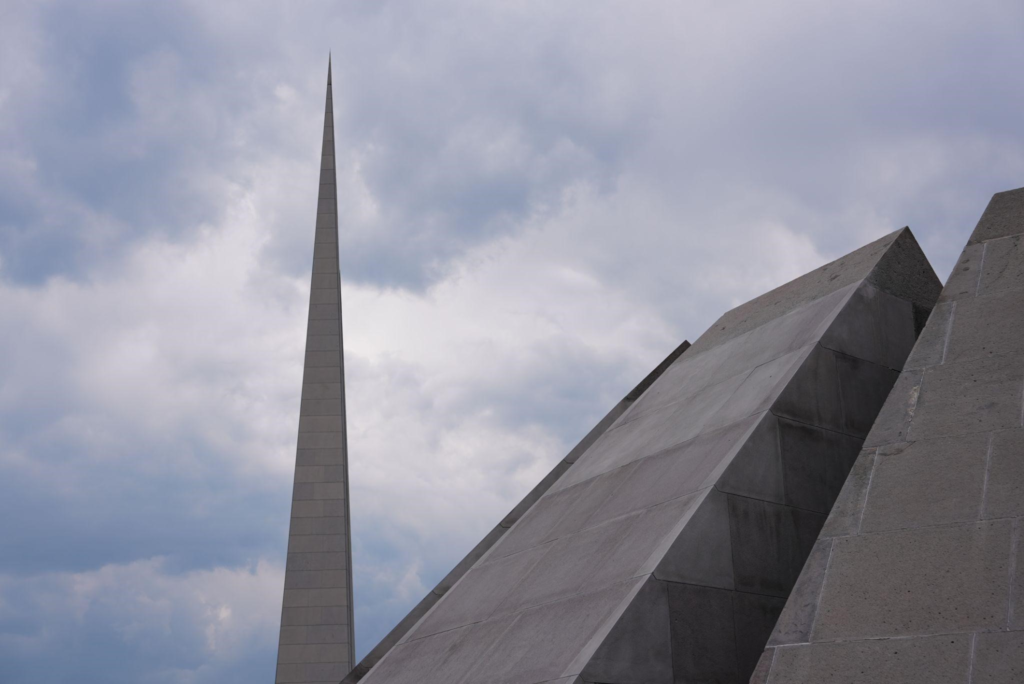
The Eternal Temple and the needle under a gloomy sky stand as a symbol of resilience and memory, April 24, 2026, Yerevan, Armenia. Photo by Elen Pahlevanyan
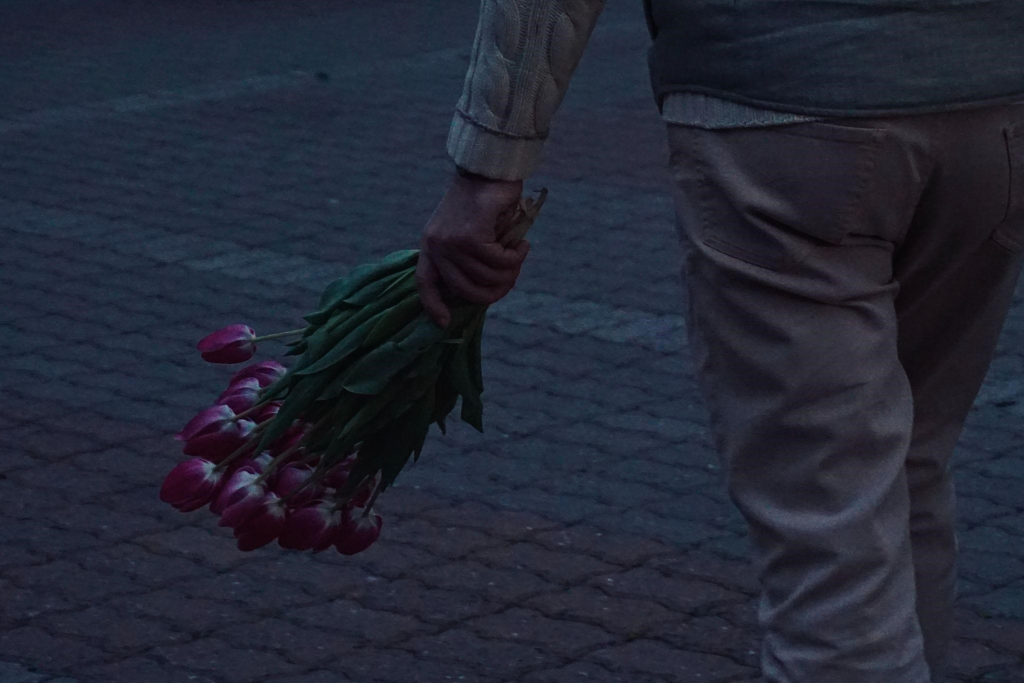
Carrying flowers as a sign of respect and honor, April 24, 2026, Yerevan, Armenia. Photo by Gohar Adamyan
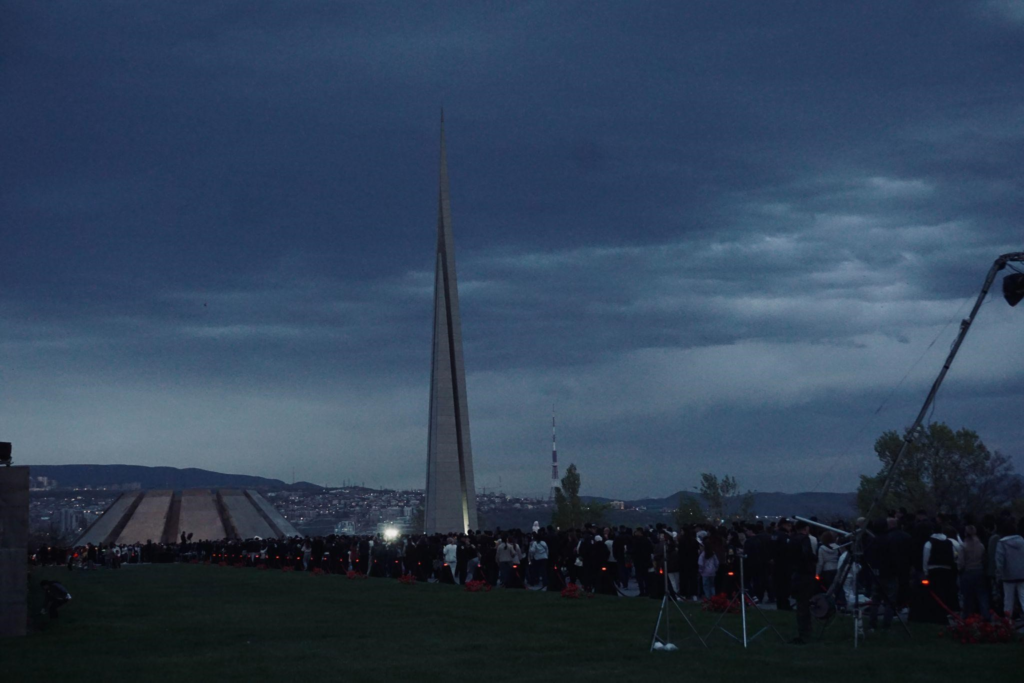
The visit to Tsitsernakaberd Memorial Complex did not stop even late in the evening, April 24, 2026, Yerevan, Armenia. Photo by Gohar Adamyan
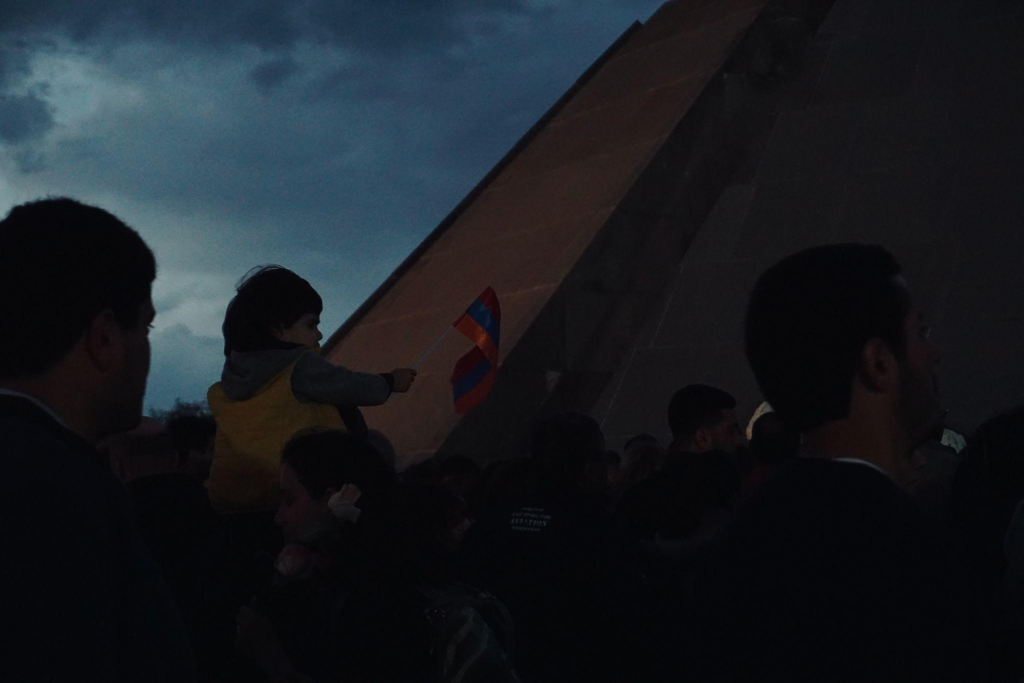
Little boy holding the tricolor flag of Armenia by the entrance of Tsitsernakaberd — no matter what, life goes on, April 24, 2026, Yerevan, Armenia. Photo by Gohar Adamyan
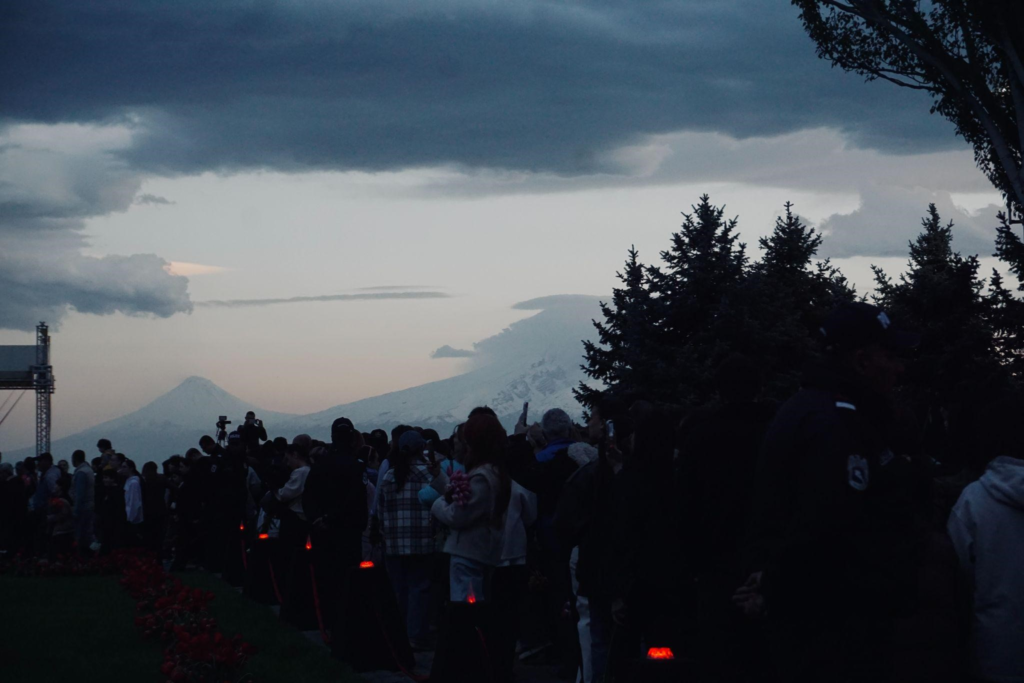
Sunset, Mount Ararat, crowds approaching the Memorial complex, April 24, 2026, Yerevan, Armenia. Photo by Gohar Adamyan
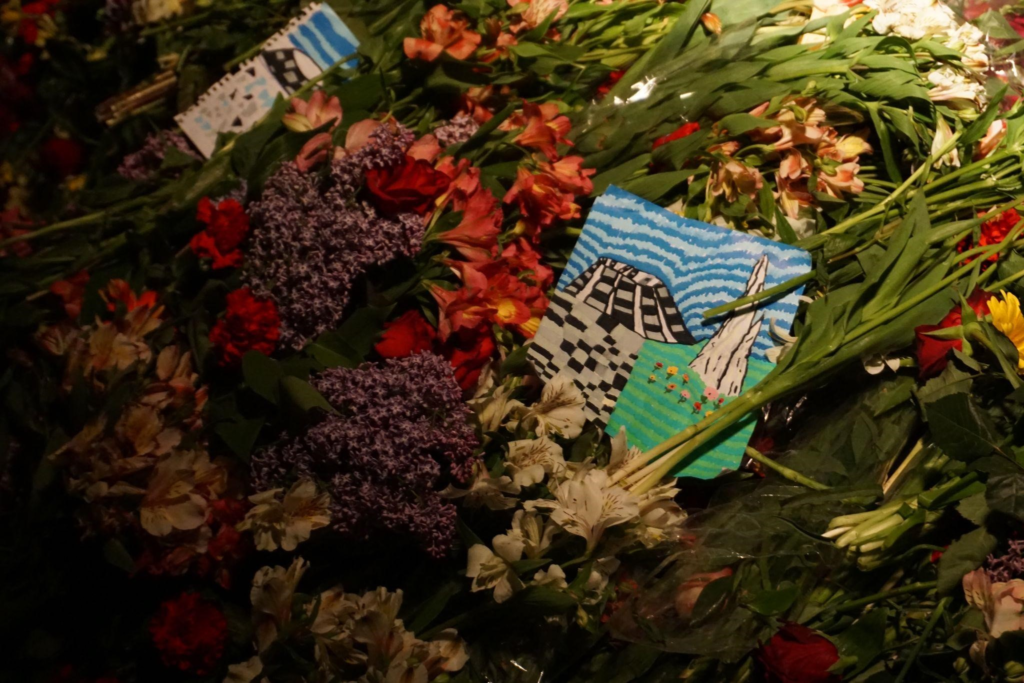
Everyone honors in their own way — some lay flowers, others draw — each act a quiet tribute to the victims of the Armenian Genocide, April 24, 2026, Yerevan, Armenia, Photo by Gohar Adamyan
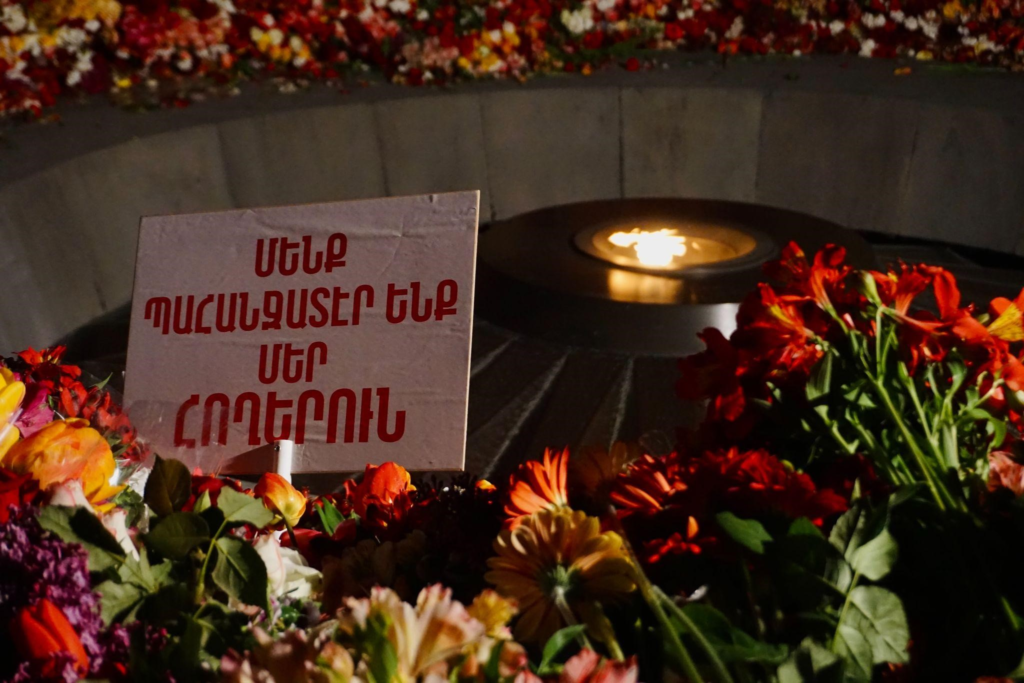
“We claim our lands” — a banner in Western Armenian rests among the flowers by the eternal flame. As a result of the Armenian Genocide, Armenians lost more than 300.000 kilometres of territory. Ancient cities and villages that were once inhabited and established by Armenians are now inhabited by other nations, April 24, 2026, Yerevan, Armenia. Photo by Gohar Adamyan
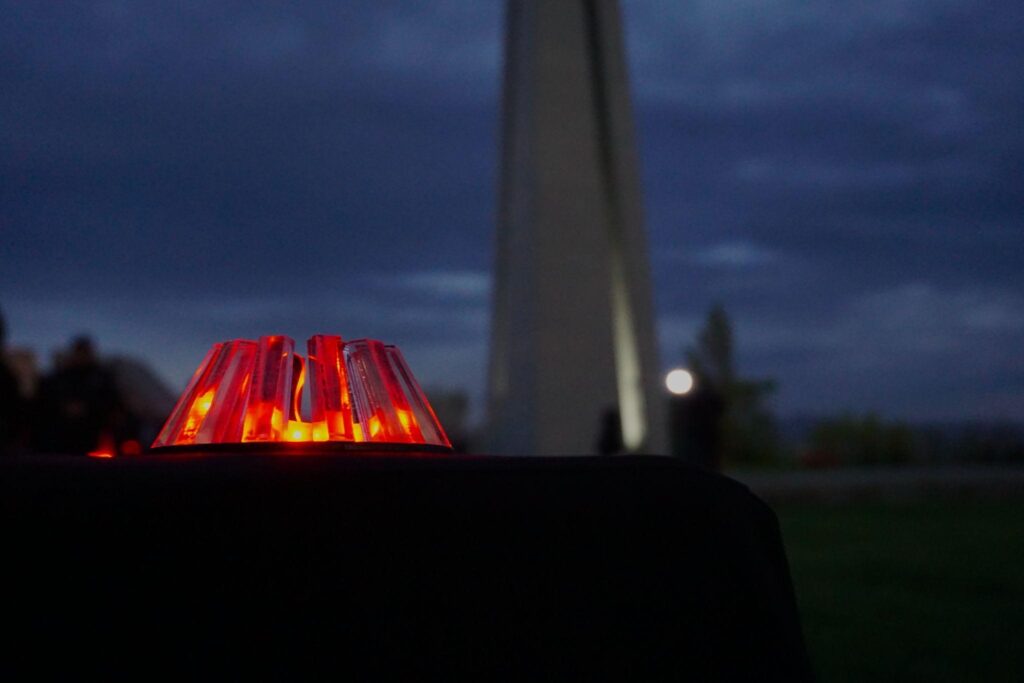
The silhouette of the Temple of Eternity standing tall against a deep twilight sky, April 24, 2026, Yerevan, Armenia. Photo by Gohar Adamyan.