
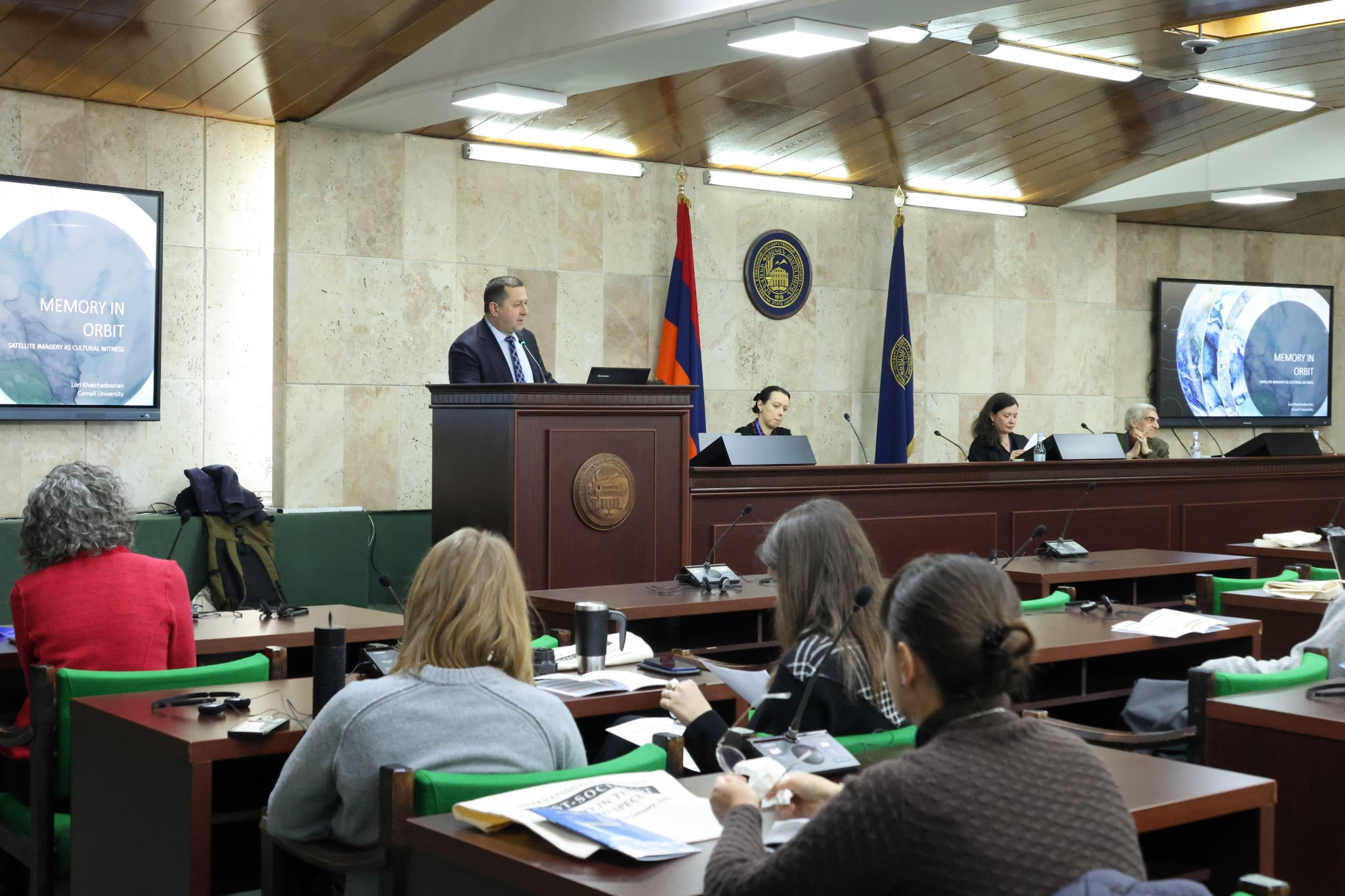
As the South Caucasus continues to navigate the humanitarian and political fallout of the forced displacement of Artsakh Armenians, Yerevan State University (YSU) became the epicenter of a global intellectual inquiry into the past from Jan. 22 to 24. The third PoSoCoMeS (Post-Socialist and Comparative Memory Studies) conference brought together 120 researchers and scientists from 82 international scientific centers to address the “weaponization of history” in an era of active warfare and digital disinformation.
The three-day summit utilized Yerevan State University as a central venue for scientific exchange and collaborative research. For the local organizers, a leading Armenian cultural anthropologist and ethnographer Gayane Shagoyan and YSU researcher Alexander Aghajanyan, hosting the event at YSU was a strategic choice aimed at strengthening the university’s position on the global scientific map
“We hosted PoSoCoMeS 2026 here to ensure that the forced displacement of Armenians and the memory of the Genocide remain on the global scientific agenda,” Shagoyan said. “In the midst of the ‘great wars’ in Ukraine and Gaza, the scale of those conflicts often silences the story of Artsakh. It was vital to move this discourse out of a ‘niche’ Armenian bubble and into the international mainstream.”
Beyond the lecture halls, Shagoyan and Aghajanyan integrated a cultural program including film screenings of the documentary 1489 and the animated feature screening of Aurora’s Sunrise, shifting the discourse from academic theory to human empathy.
“We intentionally included these films to allow scholars from all over the world to sense the tragedy and the facts within our specific context,” Shagoyan said.
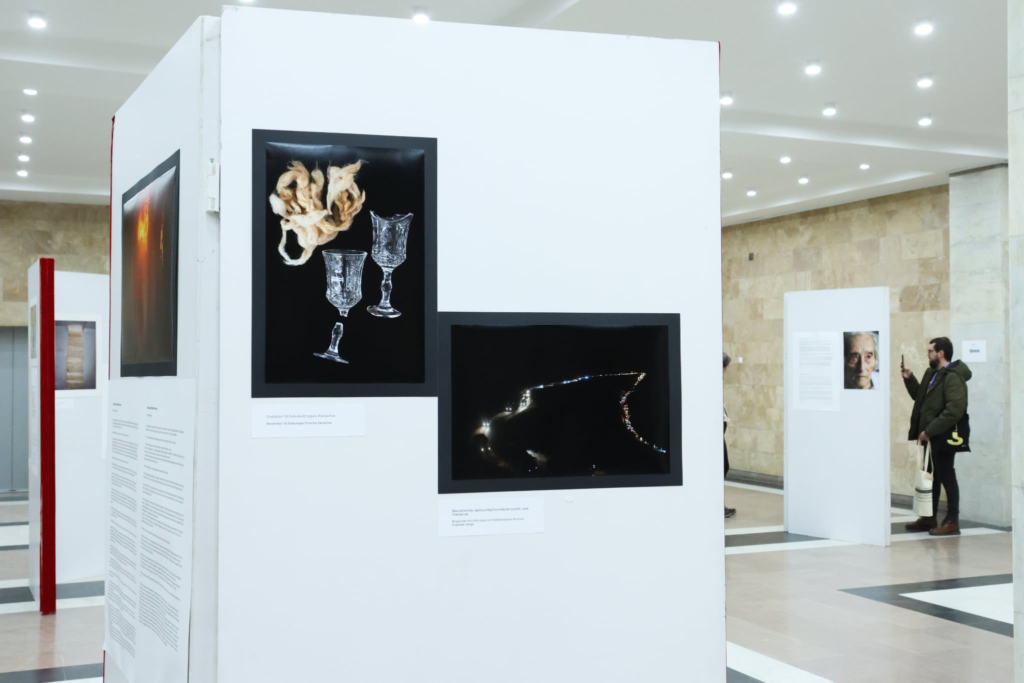
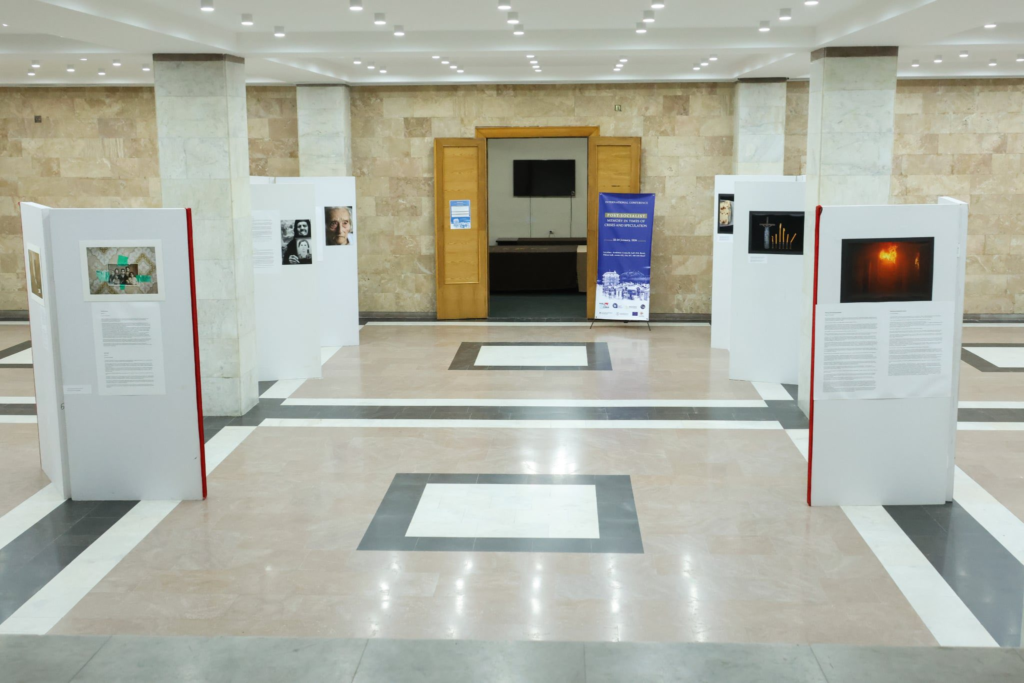
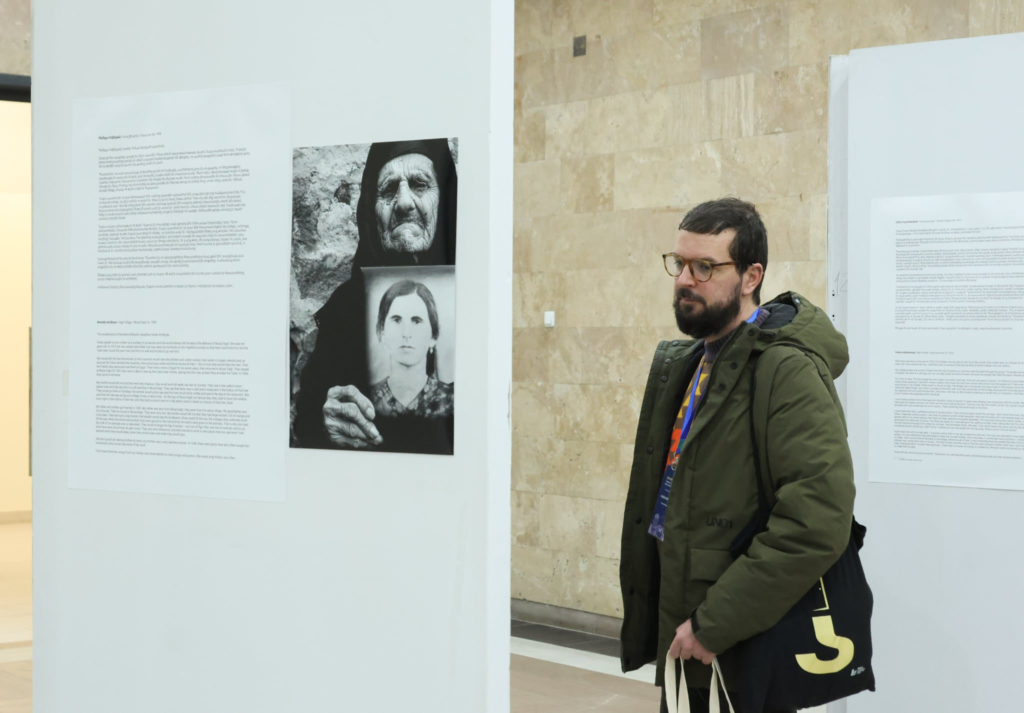
To further anchor the academic discourse in visual evidence, Shagoyan collaborated with the documentary photographers Nazik Armenakyan and Piruza Khalapyan who curated two specialized exhibitions featuring long-term documentary work on the Armenian Genocide and the recent wars in Artsakh.
“We wanted to create a space where, regardless of which panel a scholar attended, they would have to encounter the visual and material reality of our history,” Shagoyan said. “These rich, text-heavy exhibitions translated our pain into a language the international scientific community could immediately process.”

The summit facilitated direct dialogue between Russian and Ukrainian scholars, offering a neutral ground during a period of intense geopolitical tension.
“This was the first time researchers from both sides agreed to hear each other during the warfare,” Shagoyan said, referring to the formal protests or walk-outs that often disrupt international forums. “We facilitated panels with active participation from both sides — a move that is academically essential, particularly during periods of warfare.”
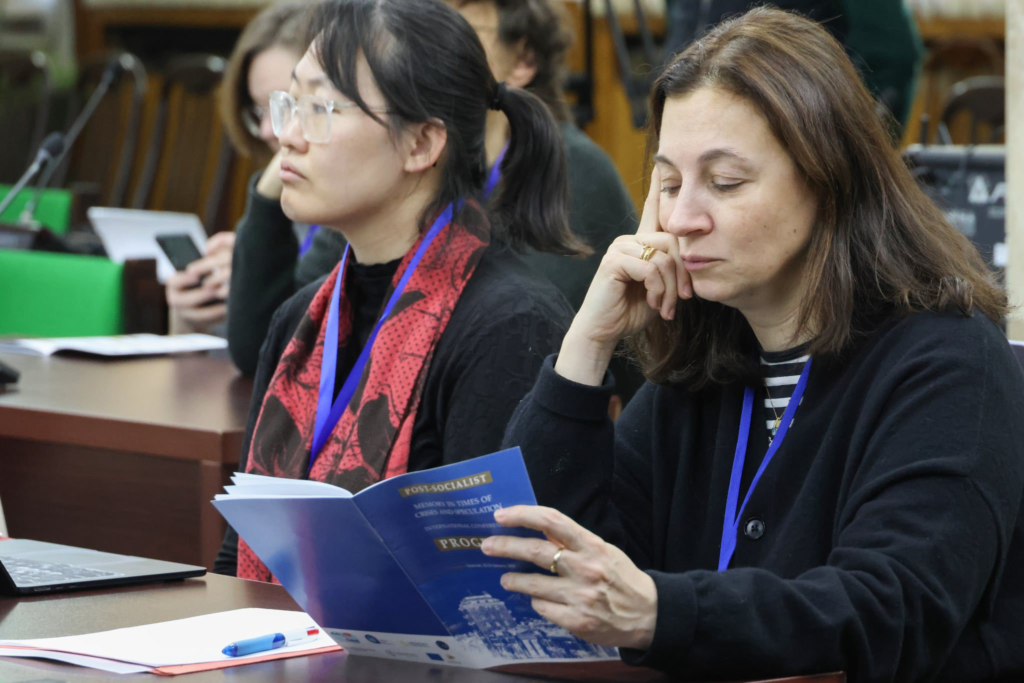
Among the 200 international scholars who applied to participate was Marie-Aude Baronian, a professor at the Faculty of Humanities at the University of Amsterdam. Baronian, a prominent member of the Armenian Diaspora, was selected to lead a specialized session titled “Space, Materiality, and Post-Soviet Memories” alongside her PhD students.
“The challenge nowadays is how Armenian scholars, both local and global, can communicate what is dear to us to a non-Armenian audience,” Baronian said. She noted that her PhD cohort — comprising Polish, Russian and Armenian researchers — presented work that resonated deeply with the local context, bridging the gap between personal and universal history.
“We must find a balance between memory as a theoretical concept and the specific geographical reality of each community,” Baronian said. “Every medium and every community has its own specificity, yet holds the potential to intersect with the experiences of other nations. These conferences prove that we have common ground and the opportunity to collaborate.”
While Baronian’s session explored the theoretical intersections of space and memory, Lori Khatchadourian, an archeologist, associate professor at Cornell University presented the stark physical evidence of heritage at risk. As the co-founder of Caucasus Heritage Watch (CHW), Khatchadourian has become a leading figure in “heritage forensics,” serving as a digital sentinel over Armenian cultural sites currently under occupation or in restricted zones.
The primary objective of Khatchadourian’s keynote address was to emphasize the need for an indisputable, high-resolution record of Armenian monuments to prevent “stealth destruction” — the systematic erasing of history that occurs when international observers are barred from the ground. By utilizing “satellite forensics,” she transforms orbiting technology into an ethical imperative for human rights and historical preservation.
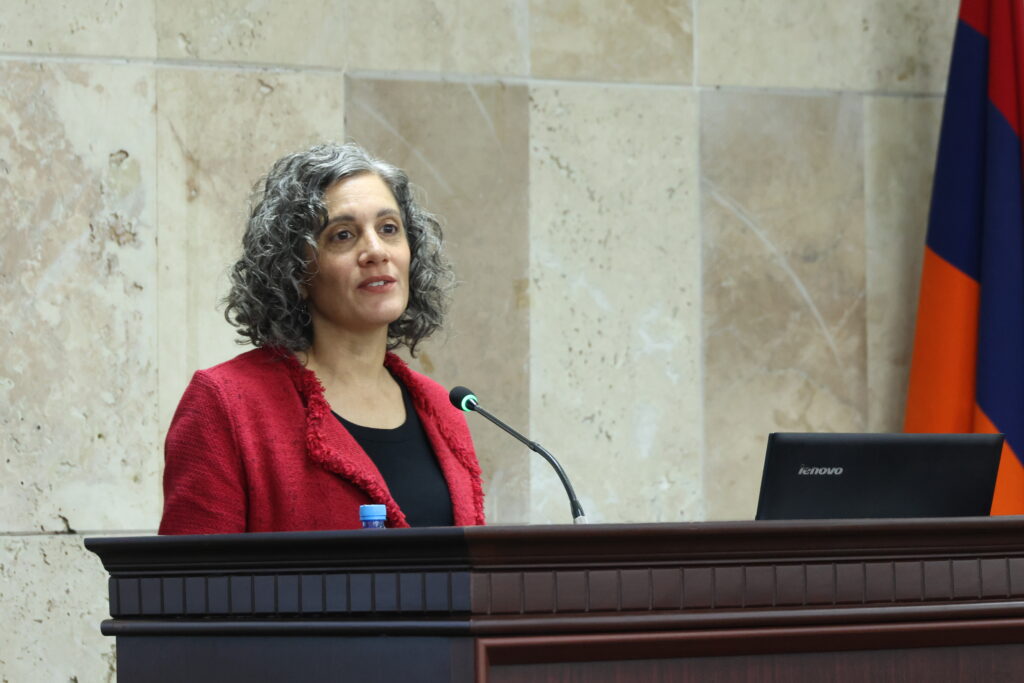
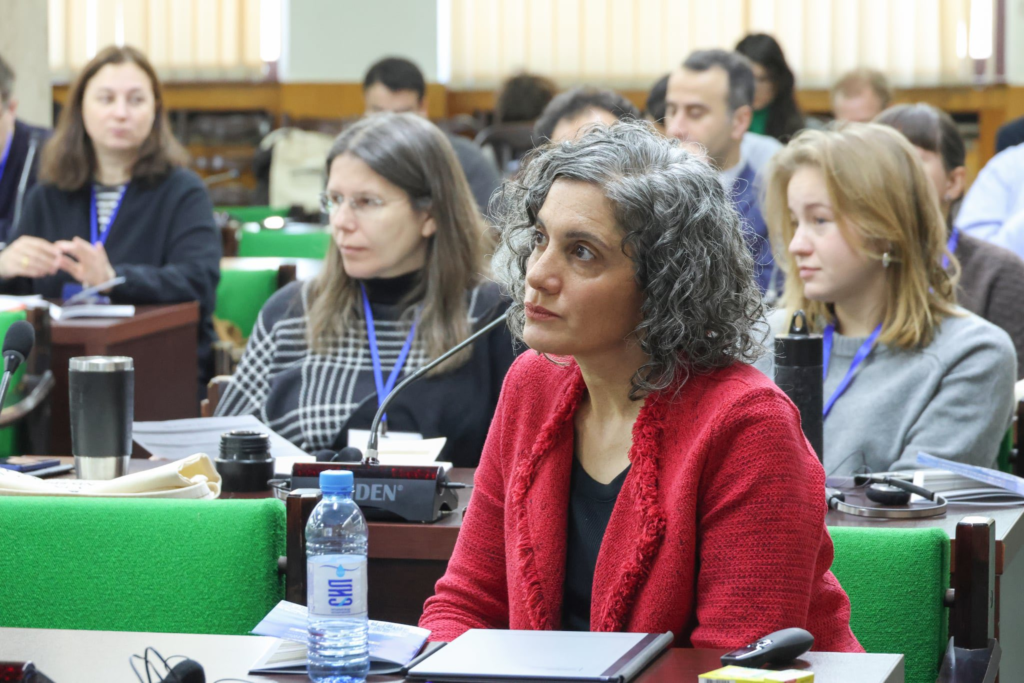
“In an ideal world, we would be on the ground talking to people,” Khatchadourian said. “But when access is restricted, satellites become our forensic witnesses. Every image has a clear digital ID linked to its provider, creating a level of evidence that is currently much harder to manipulate than a standard photograph.”
The theme of “resistance through memory” was further anchored by Yulia Yurchuk, an associate professor from Södertörn University who also teaches at the Kyiv School of Economics. Yurchuk described a “manual of erasure” currently being deployed in occupied territories, where the destruction of monuments serves to make resistance invisible to the future.
As the 120 scholars return to their respective institutions, the legacy of PoSoCoMeS 2026 remains defined by the refusal to let history be erased by modern conflict.
“Memory is our revenge; it is the act of staying alive and keeping the community together,” Yurchuk concluded. “People no longer see themselves as victims, but as survivors. We are fighting to keep our memory human and not give it over to AI-generated ‘victimhood aesthetics’ that strip people of their agency.”